For most homeowners who want high-impact accents with moderate cost and broad longevity, Modern-Contemporary, Scandinavian, and Transitional are the top three home accent decor styles ranked by designers and retailers alike. Rounding out the top seven: Japandi, Bohemian, Mid-Century Modern, and Coastal. These seven styles consistently score highest on visual impact, sourcing ease in the U.S., and the ability to refresh a room with affordable accent swaps rather than full furniture overhauls.
Here’s the full ranked preview so you can scan the list before diving into detailed profiles:
- Modern-Contemporary
- Scandinavian
- Transitional
- Japandi
- Bohemian
- Mid-Century Modern
- Coastal
- Farmhouse
- Industrial
- Traditional
- Rustic
- Art Deco
- Maximalist/Eclectic
- Cottagecore
- Mediterranean
- Wabi-Sabi
- Hollywood Regency
- Biophilic
- Grandmillennial
- Moody/Dark Academia
Pro Tip: If you’re working with a tight accent budget (under $300 total), start at the top of this list. Modern-Contemporary, Scandinavian, and Transitional styles are the most forgiving because their accent pieces — lamps, textured throws, simple ceramic vases — are widely available at every price point. Styles ranked lower (Art Deco, Hollywood Regency) tend to require more investment to look intentional rather than scattered.
LightsThings curates accent lighting and decorative pieces across all twenty of these styles, making it a practical starting point whether you’re testing a new look or committing to a full room refresh.
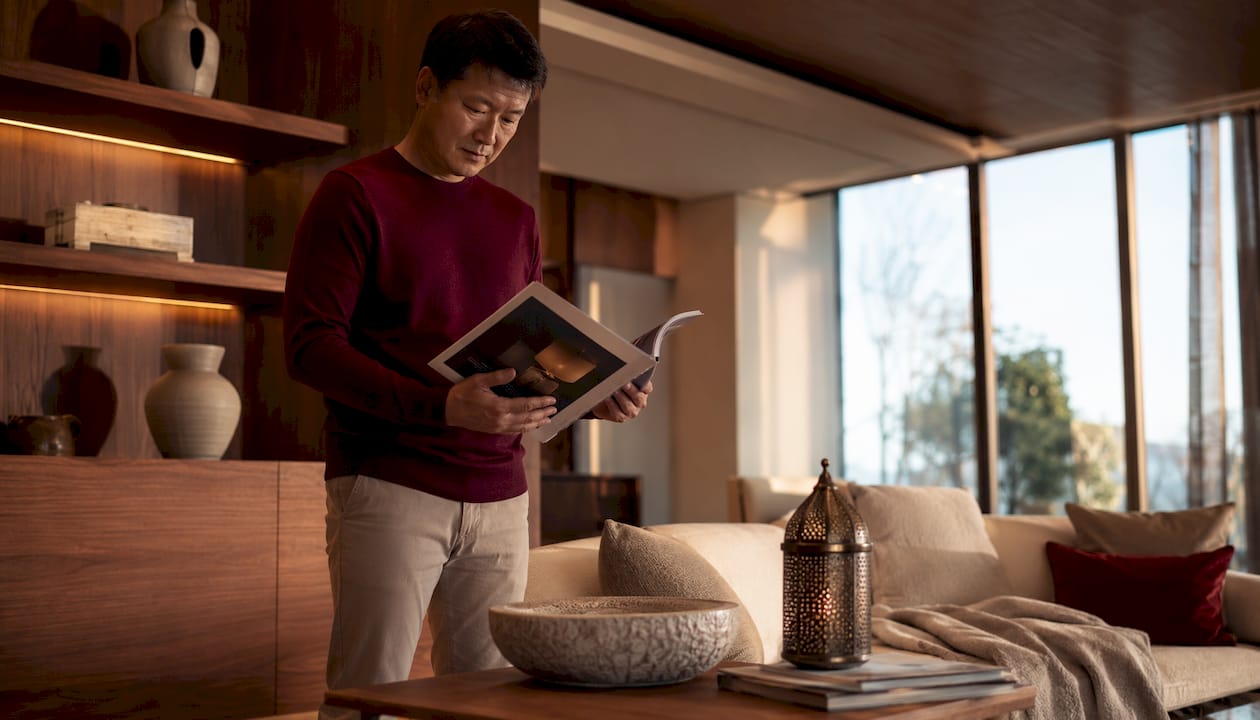
Table of Contents
- How these styles were ranked and why the criteria matter
- The full ranked list of home accent decor styles
- How to choose the right accent decor style for your home
- How to blend styles and layer accents so mixed aesthetics feel intentional
- Where to source accent decor in the U.S. and how to think about price tiers
- Designer accent decor tips from LightsThings and contributing designers
- Key Takeaways
- A designer’s honest take on accent decor choices
- LightsThings has the accent lighting your styled room needs
- Useful sources and further reading
How these styles were ranked and why the criteria matter
The ranking behind this guide isn’t based on personal preference or trend headlines alone. Four core criteria determined each style’s position, and understanding them helps you decide whether a high-ranked style actually fits your home.
The four ranking criteria:
- Visual impact per dollar — how much a single accent piece (lamp, vase, throw) shifts the room’s perceived style. Styles where one or two pieces do heavy lifting rank higher.
- Longevity and timelessness — styles with a 10-plus-year track record of staying relevant outrank trend-driven looks that may feel dated within three years.
- Sourcing availability in the U.S. — styles whose signature accent pieces are stocked at multiple price points (big-box, specialty, online) rank higher than those requiring custom or imported items.
- Adaptability across rooms — styles that work in a living room, bedroom, and kitchen without requiring a complete re-buy of accent pieces rank above single-room specialists.
Weighting logic: Visual impact and longevity carried the most weight because they determine whether your accent investment holds up. Sourcing availability broke ties between styles with similar impact scores. Adaptability pushed Transitional above Japandi despite Japandi’s stronger visual identity, simply because Transitional accent pieces travel more easily from room to room.
Data sources used: Designer commentary from Architectural Digest and similar publications, retail pricing samples across U.S. channels, and 2026 trend signals showing a clear shift toward lived-in, moody, purpose-driven rooms that use texture and curated accents for personality rather than high-contrast color statements.
Designers are moving away from purely open-plan neutral minimalism. The rooms getting the most attention in 2026 use architectural textures, tonal depth, and layered accents to create spaces that feel genuinely lived in.
One important note on tonal accent walls: the current consensus among designers is that accent tones just one or two shades darker than the room’s base color outperform high-contrast bold colors for longevity. That insight influenced how styles with strong accent-wall traditions (Traditional, Art Deco) were scored.
The full ranked list of home accent decor styles
Below you’ll find a complete profile for all twenty styles. Each entry covers the defining look, signature palette, key materials, furniture silhouettes, practical accent items to buy, best rooms, and a realistic price range for accent pieces. A summary comparison table follows the profiles.
1. Modern-Contemporary
Clean geometry, neutral foundations, and deliberate negative space define this look. It’s the most versatile style on this list because its accent pieces — sculptural lamps, matte ceramic bowls, abstract art — work in virtually any room without clashing with existing furniture.
- Palette: Warm white, charcoal, soft black, greige
- Materials: Brushed metal, smooth concrete, glass, lacquered wood
- Furniture silhouettes: Low-profile sofas, floating shelves, platform beds
- Accent items to buy: Sculptural table lamp, matte black vase, abstract canvas print
- Best rooms: Living room, home office, primary bedroom
- Accent budget: $50–$400 per piece; most impact items fall in the $80–$200 range
Pro Tip: A single sculptural table lamp in brushed brass or matte black can anchor a Modern-Contemporary living room more effectively than a full set of new throw pillows.
2. Scandinavian
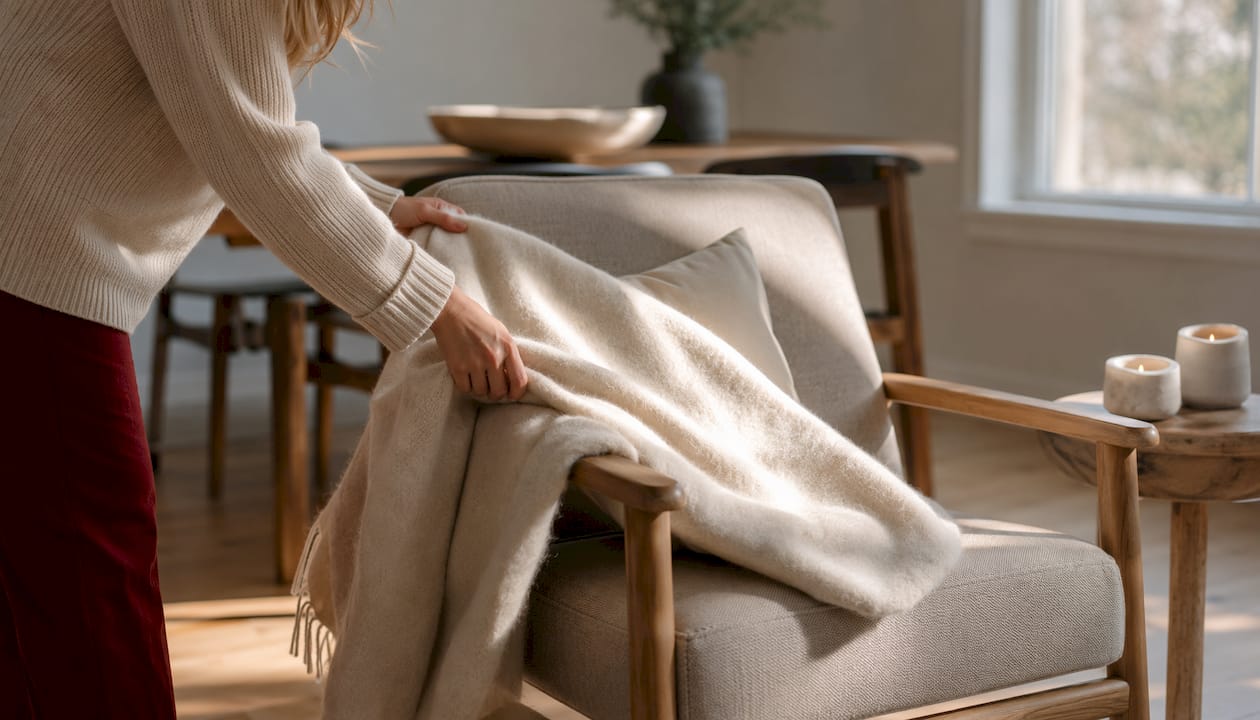
Rooted in Nordic design philosophy, Scandinavian style prioritizes warmth through natural materials rather than color. Its accent pieces are among the easiest to source in the U.S. and tend to age gracefully.
- Palette: White, pale birch, soft gray, dusty sage
- Materials: Oak, wool, linen, beeswax candles
- Furniture silhouettes: Tapered legs, low-back chairs, simple open shelving
- Accent items to buy: Chunky knit throw, ceramic candle holder, woven basket
- Best rooms: Living room, bedroom, dining area
- Accent budget: $30–$250 per piece
Photo callout: Look for images showing pale wood grain against white walls, with a single wool throw draped over a chair — that vignette captures the style’s warmth instantly.
3. Transitional
Transitional design remains one of the most popular interior design styles in 2026 because it blends the warmth of traditional decor with the clean lines of modern design. It’s the style most likely to survive a furniture refresh because its accents don’t lock you into a single era.
- Palette: Warm taupe, soft ivory, navy, muted gold
- Materials: Mixed wood tones, linen, brushed nickel, marble
- Furniture silhouettes: Rolled-arm sofas, parsons chairs, simple case goods
- Accent items to buy: Linen throw pillow, brushed nickel table lamp, marble tray
- Best rooms: Any room; especially strong in living rooms and primary bedrooms
- Accent budget: $40–$350 per piece
4. Japandi
A hybrid of Japanese minimalism and Scandinavian warmth, Japandi uses negative space and natural imperfection as design tools. Its accent pieces tend to be fewer but more considered, which means each purchase carries more visual weight.
- Palette: Warm cream, warm gray, terracotta, deep forest green
- Materials: Mixed woods, handmade ceramics, natural fiber, bamboo
- Furniture silhouettes: Low-slung, clean-lined, asymmetric
- Accent items to buy: Handmade ceramic bowl, wabi-sabi vase, linen floor cushion
- Best rooms: Living room, bedroom, meditation or reading nook
- Accent budget: $45–$300 per piece
Photo callout: A single handmade ceramic vessel on a low shelf, photographed against a warm plaster wall, communicates Japandi more clearly than any full-room shot.
5. Bohemian
Bohemian style rewards layering. The accent pieces are the style — macramé wall hangings, rattan pendants, layered rugs, and trailing plants do most of the work. It’s one of the few styles where more is genuinely more, as long as color and texture stay cohesive.
- Palette: Terracotta, ochre, deep teal, rust, warm cream
- Materials: Rattan, macramé, jute, raw linen, hammered brass
- Furniture silhouettes: Low seating, floor cushions, curved rattan chairs
- Accent items to buy: Macramé wall hanging, rattan pendant lamp, layered jute rug
- Best rooms: Living room, bedroom, sunroom
- Accent budget: $25–$200 per piece; layering is the strategy, not single statement pieces
6. Mid-Century Modern
Mid-Century Modern draws from 1950s and 1960s American and Scandinavian design, characterized by organic shapes, tapered legs, and a palette that mixes warm wood tones with bold accent colors. Its accent pieces photograph exceptionally well, which has kept it popular across social platforms.
- Palette: Walnut brown, mustard yellow, avocado green, burnt orange, off-white
- Materials: Teak, walnut, molded plastic, brass, wool upholstery
- Furniture silhouettes: Tapered legs, tulip bases, egg chairs, credenzas
- Accent items to buy: Arc floor lamp, ceramic table lamp with drum shade, geometric throw pillow
- Best rooms: Living room, dining room, home office
- Accent budget: $60–$500 per piece; authentic vintage pieces command premiums
7. Coastal
Coastal style has evolved well past the seashell-and-driftwood cliché. The current version uses rope, jute, whitewashed wood, and a palette of sea blues and warm whites to create a relaxed, airy feel that works year-round, not just in beach houses.
- Palette: Sea blue, sandy beige, warm white, soft coral
- Materials: Rope, jute, whitewashed wood, linen, sea glass
- Furniture silhouettes: Slipcovered sofas, wicker chairs, open shelving
- Accent items to buy: Jute table lamp, woven basket, linen throw in sea blue
- Best rooms: Living room, sunroom, bathroom, bedroom
- Accent budget: $30–$250 per piece
8. Farmhouse
Modern Farmhouse has matured from its shiplap-and-mason-jar peak into a more nuanced style that mixes painted wood, linen, and vintage-inspired metal hardware. Shiplap and beadboard remain approachable textured accent-wall projects, typically running moderate costs per square foot in materials when using MDF.
- Palette: Cream, sage green, warm white, black, barn red
- Materials: Painted shiplap, linen, galvanized metal, reclaimed wood
- Furniture silhouettes: Turned legs, apron-front pieces, open shelving
- Accent items to buy: Galvanized metal lantern, linen pillow cover, wooden tray
- Best rooms: Kitchen, dining room, mudroom, living room
- Accent budget: $20–$180 per piece
9. Industrial
Industrial style borrows from converted warehouse lofts: exposed brick, steel pipe, raw concrete, and Edison bulbs. Its accent pieces are among the most affordable on this list because raw and utilitarian materials are inherently inexpensive.
- Palette: Charcoal, rust, warm gray, black, aged brass
- Materials: Steel, exposed brick, raw concrete, reclaimed wood, leather
- Furniture silhouettes: Metal-frame pieces, open shelving, factory-style stools
- Accent items to buy: Edison bulb pendant lamp, leather-wrapped vase, cast-iron bookend
- Best rooms: Home office, kitchen, loft living room, basement bar
- Accent budget: $20–$200 per piece
10. Traditional
Traditional style draws from 18th- and 19th-century European interiors, emphasizing symmetry, rich wood tones, and layered textiles. Its accent pieces tend to be more formal and investment-grade, which is why it ranks tenth despite its enduring cultural presence.
- Palette: Deep burgundy, forest green, navy, warm gold, cream
- Materials: Dark hardwood, brass, silk, velvet, carved stone
- Furniture silhouettes: Camelback sofas, wingback chairs, pedestal tables
- Accent items to buy: Brass candlestick, velvet throw pillow, framed botanical print
- Best rooms: Living room, dining room, library/study
- Accent budget: $60–$600 per piece; quality matters more here than in casual styles
11. Rustic
Rustic style centers on natural imperfection: rough-hewn timber, stone, iron, and organic textures that feel like they belong in a mountain cabin or a converted barn. Its accent pieces are tactile and heavy, which limits their versatility across rooms.
- Palette: Warm brown, deep green, stone gray, cream
- Materials: Rough timber, fieldstone, wrought iron, wool, bark
- Furniture silhouettes: Chunky, solid, low-to-the-ground
- Accent items to buy: Wrought-iron candle holder, wool plaid throw, wooden bowl
- Best rooms: Living room, bedroom, entryway
- Accent budget: $25–$300 per piece
12. Art Deco
Art Deco emerged in 1920s Paris and New York as a celebration of luxury, geometry, and machine-age glamour. Its accent pieces — mirrored trays, gilded frames, geometric lighting — are genuinely striking but require a confident hand to avoid looking overdone.
- Palette: Black, gold, ivory, deep teal, blush
- Materials: Lacquered wood, mirrored glass, gilded metal, velvet
- Furniture silhouettes: Stepped geometric forms, fan-back chairs, sunburst mirrors
- Accent items to buy: Sunburst wall mirror, gilded geometric lamp, velvet accent pillow
- Best rooms: Living room, primary bedroom, powder room
- Accent budget: $80–$700 per piece
13. Maximalist/Eclectic
Maximalism isn’t chaos — it’s intentional abundance. The key is a repeating element (color, material, or pattern) that ties disparate pieces together. Without that thread, eclectic becomes cluttered.
- Palette: Any combination, but one color must repeat throughout
- Materials: The mix itself — the contrast between materials is the point
- Furniture silhouettes: Varied, but scale must be consistent
- Accent items to buy: Gallery wall frames, patterned throw pillow, statement floor lamp
- Best rooms: Living room, dining room, home office
- Accent budget: $20–$500+ per piece; the range is the point
14. Cottagecore
Cottagecore romanticizes rural English and American cottage life: floral prints, soft linen, dried botanicals, and handmade ceramics. It’s a warmer, more feminine counterpart to Farmhouse and has grown steadily since 2020.
- Palette: Dusty rose, sage green, cream, soft lavender, warm white
- Materials: Linen, cotton, hand-thrown ceramics, dried flowers, wicker
- Furniture silhouettes: Curved, soft, vintage-inspired
- Accent items to buy: Dried floral arrangement, hand-thrown ceramic mug or vase, floral linen pillow
- Best rooms: Bedroom, kitchen, reading nook
- Accent budget: $20–$200 per piece
15. Mediterranean
Mediterranean style draws from Spanish, Italian, and Greek coastal interiors: terracotta tile, wrought iron, hand-painted ceramics, and warm plaster walls. Its accent pieces are rich in color and craft, which makes them harder to source at budget price points in the U.S.
- Palette: Terracotta, cobalt blue, warm white, olive green, saffron
- Materials: Terracotta, wrought iron, hand-painted tile, linen, carved wood
- Furniture silhouettes: Arched forms, carved wood, low-slung upholstered pieces
- Accent items to buy: Hand-painted ceramic vase, wrought-iron lantern, terracotta planter
- Best rooms: Kitchen, dining room, outdoor-adjacent spaces
- Accent budget: $40–$400 per piece
16. Wabi-Sabi
Wabi-Sabi is a Japanese aesthetic philosophy that finds beauty in imperfection, impermanence, and incompleteness. As a decor style, it favors objects that show age, handcraft, and natural irregularity. It’s closely related to Japandi but leans further into asymmetry and visible wear.
- Palette: Warm gray, clay, sand, muted moss, off-white
- Materials: Unglazed ceramics, linen, weathered wood, natural stone, dried botanicals
- Furniture silhouettes: Low, organic, asymmetric
- Accent items to buy: Unglazed ceramic vessel, linen table runner, dried pampas grass
- Best rooms: Bedroom, living room, bathroom
- Accent budget: $30–$250 per piece
17. Hollywood Regency
Hollywood Regency peaked in 1930s–1950s Los Angeles and has never fully left. It’s the most glamorous style on this list: lacquered furniture, mirrored surfaces, bold jewel tones, and theatrical lighting. Getting it right requires commitment and a higher accent budget.
- Palette: Emerald green, sapphire blue, hot pink, gold, black, ivory
- Materials: Lacquered wood, mirrored glass, velvet, brass, faux fur
- Furniture silhouettes: Curved, tufted, low-slung, highly polished
- Accent items to buy: Mirrored side table, velvet accent pillow, brass table lamp with pleated shade
- Best rooms: Primary bedroom, living room, powder room
- Accent budget: $100–$800+ per piece
18. Biophilic
Biophilic design integrates living nature into the built environment: plants, natural light, water features, and organic materials. Its accent pieces are among the most affordable on this list because plants and natural-fiber objects are widely available.
- Palette: Leaf green, warm brown, cream, terracotta, sky blue
- Materials: Living plants, natural stone, unfinished wood, jute, linen
- Furniture silhouettes: Organic curves, natural wood grain, open forms
- Accent items to buy: Trailing pothos or fiddle-leaf fig, woven jute planter, stone candle holder
- Best rooms: Any room, but especially home offices, bathrooms, and kitchens
- Accent budget: $15–$200 per piece
19. Grandmillennial
Grandmillennial style reclaims the layered, pattern-rich interiors of the 1970s–1990s: chintz, needlepoint, ruffled lampshades, and collected china. It’s a deliberate rejection of minimalism and has a strong following among younger homeowners who grew up in maximalist grandparent homes.
- Palette: Dusty rose, hunter green, navy, cream, warm gold
- Materials: Chintz, needlepoint, painted wood, brass, bone china
- Furniture silhouettes: Rolled arms, cabriole legs, skirted pieces
- Accent items to buy: Needlepoint pillow, ruffled lampshade, framed botanical print
- Best rooms: Living room, bedroom, dining room
- Accent budget: $30–$400 per piece
20. Moody/Dark Academia
Dark Academia draws from Gothic university libraries, Victorian studies, and literary romanticism. Deep, saturated walls, leather-bound books, antique brass, and candlelight are its signatures. It ranks last on this list not because it lacks visual power, but because its accent pieces are the hardest to source affordably and the least adaptable across rooms.
- Palette: Deep charcoal, forest green, oxblood, aged brass, warm black
- Materials: Dark wood, leather, aged brass, velvet, stone
- Furniture silhouettes: Heavy, carved, Victorian-inspired
- Accent items to buy: Brass desk lamp, leather-bound journal display, velvet cushion in oxblood
- Best rooms: Home office, library, study, primary bedroom
- Accent budget: $60–$600 per piece
Style comparison at a glance
| Style | Look & feel / mood | Signature colors | Materials & textures | Furniture silhouettes | Typical accent items | Best rooms | Accent budget range |
|---|---|---|---|---|---|---|---|
| Modern-Contemporary | Clean, airy, precise | Warm white, charcoal, greige | Brushed metal, glass, concrete | Low-profile, floating | Sculptural lamp, matte vase | Living room, office | $50–$400 |
| Scandinavian | Warm, bright, simple | White, pale birch, dusty sage | Oak, wool, linen | Tapered legs, open shelving | Knit throw, ceramic holder | Living room, bedroom | $30–$250 |
| Transitional | Balanced, timeless | Warm taupe, navy, muted gold | Linen, marble, brushed nickel | Rolled arms, parsons chairs | Linen pillow, marble tray | Any room | $40–$350 |
| Japandi | Serene, minimal, warm | Warm cream, terracotta, forest green | Mixed woods, handmade ceramics | Low-slung, asymmetric | Ceramic bowl, wabi-sabi vase | Living room, bedroom | $45–$300 |
| Bohemian | Layered, warm, collected | Terracotta, ochre, deep teal | Rattan, macramé, jute | Low seating, floor cushions | Macramé wall hanging, rattan lamp | Living room, bedroom | $25–$200 |
| Mid-Century Modern | Retro, optimistic, graphic | Walnut, mustard, burnt orange | Teak, brass, wool | Tapered legs, tulip bases | Arc floor lamp, geometric pillow | Living room, dining room | $60–$500 |
| Coastal | Relaxed, airy, breezy | Sea blue, sandy beige, warm white | Rope, jute, whitewashed wood | Slipcovered, wicker | Jute lamp, woven basket | Living room, bathroom | $30–$250 |
| Farmhouse | Cozy, casual, nostalgic | Cream, sage, warm white | Shiplap, linen, galvanized metal | Turned legs, open shelving | Metal lantern, wooden tray | Kitchen, dining room | $20–$180 |
| Industrial | Raw, urban, utilitarian | Charcoal, rust, aged brass | Steel, concrete, reclaimed wood | Metal-frame, open shelving | Edison pendant, leather vase | Office, kitchen | $20–$200 |
| Traditional | Formal, rich, layered | Deep burgundy, navy, warm gold | Dark hardwood, brass, velvet | Camelback sofas, wingbacks | Brass candlestick, velvet pillow | Living room, dining room | $60–$600 |
| Rustic | Earthy, tactile, rugged | Warm brown, stone gray, cream | Rough timber, wrought iron, wool | Chunky, solid | Iron candle holder, plaid throw | Living room, bedroom | $25–$300 |
| Art Deco | Glamorous, geometric, bold | Black, gold, deep teal | Lacquered wood, mirrored glass | Stepped geometric, fan-back | Sunburst mirror, gilded lamp | Living room, bedroom | $80–$700 |
| Maximalist/Eclectic | Abundant, personal, bold | Any, with a repeating anchor | The mix itself | Varied, consistent scale | Gallery frames, statement lamp | Living room, dining room | $20–$500+ |
| Cottagecore | Soft, romantic, pastoral | Dusty rose, sage, cream | Linen, hand-thrown ceramics | Curved, vintage-inspired | Dried florals, floral pillow | Bedroom, kitchen | $20–$200 |
| Mediterranean | Warm, artisanal, sun-drenched | Terracotta, cobalt blue, saffron | Terracotta, wrought iron, tile | Arched forms, carved wood | Painted ceramic vase, iron lantern | Kitchen, dining room | $40–$400 |
| Wabi-Sabi | Quiet, imperfect, grounded | Warm gray, clay, muted moss | Unglazed ceramics, weathered wood | Low, organic, asymmetric | Unglazed vessel, dried pampas | Bedroom, bathroom | $30–$250 |
| Hollywood Regency | Theatrical, glamorous, bold | Emerald, sapphire, gold, black | Lacquered wood, velvet, brass | Curved, tufted, polished | Mirrored table, velvet pillow | Bedroom, powder room | $100–$800+ |
| Biophilic | Calm, organic, restorative | Leaf green, warm brown, cream | Living plants, stone, jute | Organic curves, open forms | Trailing plant, jute planter | Any room | $15–$200 |
| Grandmillennial | Layered, nostalgic, collected | Dusty rose, hunter green, navy | Chintz, needlepoint, brass | Rolled arms, cabriole legs | Needlepoint pillow, ruffled lamp | Living room, bedroom | $30–$400 |
| Moody/Dark Academia | Dramatic, literary, atmospheric | Charcoal, oxblood, aged brass | Dark wood, leather, velvet | Heavy, carved, Victorian | Brass desk lamp, velvet cushion | Office, library | $60–$600 |
“Accent decor items are the jewelry of a room. Swapping a few small pieces — pillows, lanterns, baskets — changes the room’s perception more than replacing large furniture ever could.” — StoneGable
Pro Tip: To modernize a Traditional room without a full overhaul, add three Scandinavian accents: a simple linen throw, a pale ceramic lamp, and a low-profile wooden tray. The contrast reads as intentional rather than mismatched because both styles share a respect for quality materials.
How to choose the right accent decor style for your home
The three most reliable signals for choosing a style are your home’s existing architecture, how you actually use the space day to day, and your realistic budget for accent pieces. Everything else is secondary.
Step-by-step checklist:
- Assess your architecture first. Crown molding, arched doorways, and paneled walls push you toward Traditional, Transitional, or Art Deco. Open-plan spaces with flat ceilings suit Modern-Contemporary, Scandinavian, or Industrial.
- Identify your daily use pattern. High-traffic family rooms need durable, washable accent fabrics (linen, cotton canvas). A home office used for video calls benefits from a single strong visual backdrop, not layered clutter.
- Check your lighting conditions. North-facing rooms with limited natural light need warm-toned accents and warm-white bulbs. Styles like Dark Academia and Industrial actually improve in low-light rooms; Scandinavian and Coastal need brightness to land correctly.
- Consider hard constraints. Pets and young children rule out velvet, silk, and delicate ceramics as primary accent materials. High humidity rooms (bathrooms, basements) eliminate paper-based wallpaper murals and untreated wood accents.
- Set a per-room accent budget. Decide how much you want to spend on the 10% accent layer before browsing. The 60-30-10 color rule — 60% dominant color, 30% secondary, 10% accent — keeps spending focused on the pieces that actually move the needle.
- Test before committing. Order two or three low-cost accent pieces (a pillow, a small vase, a candle holder) in your target style before buying a lamp or a large textile. See how they feel in the actual light of your room.
- Ask a designer one question: “Does this style work with my existing flooring?” Flooring is the hardest thing to change, and it either supports or fights your accent choices.
Budget signals that raise the price:
- Custom or hand-woven textiles (macramé, needlepoint, hand-loomed rugs)
- Hand-crafted or hand-thrown porcelain and ceramics
- Architectural millwork (shiplap, paneling, wood slat walls)
- Vintage or antique accent pieces (especially Mid-Century Modern and Traditional)
Red flags to avoid:
- Choosing a trend-driven accent color for a permanent surface (paint, tile) — tonal depth ages better than bold statement colors on walls
- Buying accent pieces in a style that fights your furniture silhouettes (Bohemian macramé against sleek modern furniture rarely works)
- Over-accessorizing a small room; tonal accents preserve perceived space in compact rooms far better than high-contrast color
Pro Tip: Test a style with three low-cost accents before spending on a lamp or large textile. A $25 pillow, a $15 ceramic vase, and a $20 throw can tell you whether a style feels right in your actual space — not just on a mood board.
How to blend styles and layer accents so mixed aesthetics feel intentional
The simple rule for successful blending: establish one dominant style for your large pieces (sofa, bed frame, dining table) and introduce a single accent style through your smaller pieces. Most real homes blend two styles rather than fitting one label exactly, and knowing that vocabulary helps you communicate preferences to a designer.
High-success style pairings:
- Scandinavian + Bohemian — Scandi’s clean lines prevent Boho from feeling chaotic; Boho’s warmth prevents Scandi from feeling cold. Shared materials (rattan, linen, natural fiber) make the blend feel organic.
- Transitional + Modern-Contemporary — Transitional’s warmth softens Modern’s precision. A marble tray on a sleek console, or a linen pillow on a low-profile sofa, is all it takes.
- Mid-Century Modern + Biophilic — Organic shapes in both styles reinforce each other. Trailing plants next to tapered-leg furniture look intentional, not accidental.
- Farmhouse + Cottagecore — Both share soft palettes and handmade textures. Dried florals and linen work in both without any visual conflict.
- Industrial + Art Deco — Harder to pull off, but the contrast between raw steel and gilded accents can be striking in a home office or dining room.
Practical layering techniques:
- Unify through color: choose one accent color that appears in both styles and repeat it in at least three places across the room (a pillow, a lamp shade, a small vase)
- Echo textures: if your dominant style uses linen, let your accent style introduce a contrasting texture (rattan, velvet, or stone) rather than a second smooth surface
- Repeat shapes: a curved lamp base next to a curved mirror next to a rounded throw pillow creates visual rhythm even when the styles differ
- Respect scale: a large macramé wall hanging in a Scandinavian room works; a small macramé keychain on a hook does not register as a style statement
Three short use-case examples:
Living room (Transitional dominant, Modern accent): Keep your rolled-arm sofa and warm taupe walls. Swap the traditional brass table lamp for a brushed nickel or matte black fixture, replace one patterned pillow with a solid linen one, and add a simple marble tray to the coffee table. Three swaps, clear shift.
Bedroom (Scandinavian dominant, Japandi accent): The pale wood bed frame stays. Add an unglazed ceramic lamp, a linen duvet in warm cream, and a single dried botanical arrangement on the nightstand. The room reads calmer and more considered without losing its brightness.
Kitchen (Farmhouse dominant, Mediterranean accent): Keep the shiplap and open shelving. Introduce two hand-painted ceramic canisters, a terracotta planter on the windowsill, and a wrought-iron pendant over the island. The warmth of Mediterranean craft complements Farmhouse’s natural materials without fighting them.
Pro Tip: Accent lighting is the fastest way to harmonize mixed styles. A warm-toned dimmable lamp coordinates with furniture across style lines because light color temperature reads as mood, not style. Set all accent lights to 2700K–3000K and the room will feel cohesive even when the furniture styles differ.
Where to source accent decor in the U.S. and how to think about price tiers
Quick sourcing rules by budget tier:
- Budget ($15–$75 per piece): Big-box retailers (Target, HomeGoods, IKEA) for throws, baskets, basic ceramics, and candle holders. Best for testing a style before committing.
- Mid-range ($75–$300 per piece): Specialty boutiques, online retailers like LightsThings, and craft marketplaces for lamps, quality textiles, and handmade ceramics. This is where most accent pieces deliver the best value-to-impact ratio.
- Investment ($300+): Local artisans, handmade marketplaces, and specialty lighting retailers for statement lamps, large mirrors, architectural panels, and custom textiles. Buy fewer pieces at this tier, but buy them well.
Common accent items mapped to U.S. sourcing channels:
- Throw pillows and blankets: Big-box for basics; specialty boutiques for hand-loomed or custom textiles
- Ceramic vases and bowls: Craft marketplaces and local potters for handmade; big-box for production pieces. Handmade porcelain tealight holders are a strong mid-range accent that works across Japandi, Scandinavian, and Wabi-Sabi styles
- Table and floor lamps: LightsThings for decorative and statement fixtures; big-box for utilitarian basics
- Baskets and woven accents: HomeGoods, craft markets, and import boutiques
- Textured wall panels (wood slats): Specialty home improvement retailers and online; vertical wood slat panels typically run a moderate price per square foot installed
- Wallpaper murals: Specialty wallpaper retailers and print-to-order online services
Accent decor price ranges by item type
| Accent item | Budget tier | Mid-range tier | Investment tier |
|---|---|---|---|
| Throw pillow | $15–$30 | $35–$80 | $30–$250 |
| Decorative vase | $15–$40 | $40–$110 | $50–$400 |
| Table lamp | $40–$80 | $80–$250 | $250–$800+ |
| Woven basket | $15–$30 | $30–$100 | $100–$300+ |
| Lantern / candle holder | $15–$45 | $30–$120 | $40–$350 |
| Textured wall panel (per sq ft) | $15–$20 (DIY MDF) | $18–$25 (installed slats) | $30–$60+ (custom stone/plaster) |
| Wallpaper mural | $30–$120 | $40–$350 | $60–$600 |
Pro Tip: For large accent purchases — wall panels, oversized mirrors, statement floor lamps — always confirm the retailer’s return window and damage policy before ordering. Pieces over 24 inches are often classified as freight items, which means standard return policies may not apply. LightsThings offers free shipping thresholds and clear return terms, which matters when you’re ordering a floor lamp or a large decorative piece.
Designer accent decor tips from LightsThings and contributing designers
The single highest-value insight from current designer commentary: tonal depth on accent walls outperforms high-contrast color for long-term satisfaction. Choosing an accent tone just one or two shades darker than your room’s base color preserves the sense of space while adding dimension that photographs well and feels less likely to date.
Three additional field-tested tips worth knowing:
Texture over color on permanent surfaces. Architectural textures — wood slats, limestone plaster, wallpaper murals — deliver depth that a coat of bold paint cannot replicate and ages far better than fad colors. Accent walls aren’t out of style, but the best approach in 2026 looks different: designers recommend wallpaper, wood, or stone for texture rather than stark color contrast.
Scale checks before you buy a lamp. A table lamp’s shade diameter should be roughly equal to the width of the surface it sits on. A lamp that’s too narrow for a wide console looks lost; one that’s too wide for a nightstand overwhelms the space. Getting this proportion right is the single most common fix in a styled room.
The curated tray principle. A decorative tray on a coffee table or console turns a collection of small objects (a candle, a small vase, a stone) into a composed vignette rather than clutter. It’s one of the lowest-cost moves that creates the highest perceived value in a room.
“For quick, durable impact in 2026, designers recommend tonal accents and texture over loud color. Small architectural moves — trim, paneling, wallpaper in a niche — age better than fad colors.” — AOL / designer roundup
The 2026 accent wall palette trends warm and earthy: Evergreen Fog, Rosemary, Hale Navy, and warm charcoals are the most-searched accent colors, with organic large-scale wallpaper murals replacing bold geometric prints as the statement wall treatment of choice.
Pro Tip: The highest-impact low-cost swap in any room is a textured throw draped over the arm of a sofa or chair. It adds color, texture, and warmth simultaneously, and it costs less than most candles. Pair it with a curated tray and a single accent lamp, and the room reads as styled rather than furnished.
Good home decor genuinely improves daily wellbeing — not just aesthetically, but in how a space makes you feel when you walk into it each day. That’s the real argument for investing in the right accent pieces rather than defaulting to whatever’s on sale.
Key Takeaways
Choosing the right accent decor style comes down to three decisions: pick a dominant style that fits your architecture, test it with three low-cost pieces before committing, and follow the 60-30-10 color rule to keep accent spending focused.
| Point | Details |
|---|---|
| Start with the top three | Modern-Contemporary, Scandinavian, and Transitional offer the widest sourcing options and the best value-to-impact ratio for accent pieces. |
| Use the 60-30-10 rule | Spend your accent budget on the 10% layer — pillows, lamps, vases — where small swaps create the biggest perceived shift. |
| Texture beats bold color | On permanent surfaces, tonal depth and architectural texture (wood slats at $18–$25/sq ft installed, wallpaper murals) age better than trend-driven paint colors. |
| Test before you invest | Three low-cost accents in your target style will tell you more than any mood board about whether the look works in your actual space. |
| LightsThings for accent lighting | LightsThings carries decorative lamps, ceiling fixtures, and sculptural accents across all twenty styles, with free shipping thresholds and clear return terms for larger pieces. |
A designer’s honest take on accent decor choices
The most useful thing you can do before buying a single accent piece is decide what you want the room to feel like, not what you want it to look like. Those are different questions, and most decorating mistakes happen when people answer the second one first.
Swapping three items in a room — a lamp, a throw, and one wall-hung piece — can shift the entire emotional register of a space. A living room that felt generic with a floor lamp, a solid pillow, and bare walls can read as Japandi with a ceramic table lamp, a linen cushion in warm cream, and a single dried botanical arrangement. The furniture didn’t change. The feeling did. That’s the real power of accent decor, and it’s why the ranked list in this guide prioritizes styles where a small number of well-chosen pieces carry the most weight.
What most guides underestimate is how much lighting does in this equation. A room styled with the right accent pieces but lit with a cold overhead fixture will never feel the way the mood board promised. Accent lighting — a table lamp at 2700K, a dimmable wall sconce behind the sofa — is what makes the texture of a throw visible, the warmth of a ceramic vase readable, and the whole composition feel intentional. It’s not the last step. It’s the frame around everything else.
LightsThings has the accent lighting your styled room needs
If you’ve identified your style from this guide and you’re ready to make one high-impact purchase, start with accent lighting. A sculptural table lamp or a dimmable ceiling fixture does more for a styled room than almost any other single piece because it controls how every other accent reads.
LightsThings carries ceiling lighting, floor and table lamps, chandeliers, and decorative sculptures across all the styles covered in this guide — from the clean geometry of Modern-Contemporary to the warm drama of Hollywood Regency. Every order comes with free shipping above the threshold, easy returns, price matching, and financing options, so you can order a statement lamp with confidence rather than guesswork about fit and finish.
Three product categories worth exploring based on your ranked style:
- Accent lighting (table lamps, wall sconces, pendants): the highest-impact single purchase for any style, especially Scandinavian, Japandi, Mid-Century Modern, and Transitional
- Decorative sculptures and statues: strong for Modern-Contemporary, Art Deco, and Hollywood Regency rooms that need a focal object rather than a textile
- Ceiling lighting and chandeliers: the right overhead fixture anchors Traditional, Farmhouse, and Mediterranean rooms where the ceiling is part of the style story
Browse the full LightsThings collection and use the style profiles from this guide to filter by the look you’re building. If you’re not sure where to start, the accent lighting category is the most forgiving entry point — one well-chosen lamp changes a room faster than anything else on this list.
Useful sources and further reading
The following sources informed the rankings, style profiles, and accent-decor guidance in this guide:
- Accent Walls Aren’t Out of Style, but Designers Say the Best Approach Looks Different Now — AOL: Designer commentary on tonal depth vs. high-contrast accent walls; informed the ranking criteria and the expert tips section.
- The Best Accent Wall Ideas for Every Room in 2026 — WallpaperPixi: 2026 palette trends, DIY cost estimates for shiplap/beadboard ($15–$20/sq ft), and wood slat panel pricing ($18–$25/sq ft installed); used in the sourcing and budget section.
- Accent Decor: 13 Items That Add Style to Every Room — StoneGable: The 60-30-10 color rule and the “jewelry of a room” framing for accent pieces; cited in the how-to-choose and expert tips sections.
- Most Popular Interior Design Styles — Architectural Digest: Designer trend commentary on the shift toward lived-in, moody, texture-driven rooms; used in the methodology and expert tips sections.
- The Most Popular Interior Design Styles Ranked — PetFriendlyHouse: Ranking framework and style descriptions for Transitional, Scandinavian, and Modern styles; used as a cross-reference for the ranked list.
- What Is My Interior Design Style? — Archmaster: Insight on how real homes blend dominant and accent styles; cited in the mixing and layering section.
- Accent Wall Guide: Ideas, Colors & Placement Tips — USADecorIdea: Placement guidance for accent walls in small rooms; used in the how-to-choose checklist.
- How Accent Pieces Complete a Room: 2026 Design Guide — LightsThings: Author and brand proof points for LightsThings’s editorial approach to accent decor; used as a trust signal throughout the guide.
Style profile images referenced in this guide are intended as editorial examples. Product pages and styled vignettes from LightsThings were used to inform accent-item suggestions across all twenty styles.