Mixing modern and traditional lighting is defined as combining contemporary fixtures with classic ones to create a layered, personalized interior that feels both current and timeless. The approach draws on what designers call “transitional style,” a recognized interior design category that blends the clean lines of modern pieces with the warmth and character of traditional ones. The key to making it work is choosing a dominant lighting style and using the contrasting style as a deliberate accent. Experts recommend an 80% to 20% style ratio as the foundation for visual harmony. Get that balance right, and your room looks curated. Get it wrong, and it looks cluttered.
How to mix modern and traditional lighting: the foundational choices
Before you touch a single fixture, you need to read your room. The architectural style of your space is your first clue. A home with crown molding, arched doorways, and wood floors leans traditional. A space with flat ceilings, open shelving, and concrete or tile surfaces leans modern. Your lighting choices should reinforce that base, not fight it.
The next step is deciding which style leads. Limiting to two major styles and naming one as primary reduces visual incoherence. That primary style should account for roughly 80% of your fixtures. The remaining 20% is where you bring in the contrasting style as an accent. A modern living room, for example, might use sleek recessed lighting and a geometric pendant as its base, then add a single antique brass table lamp to introduce warmth and character.
Function matters just as much as aesthetics. Task-heavy rooms like kitchens and home offices benefit from the clean, directional output of modern fixtures. Rooms built for relaxation, like bedrooms and living rooms, welcome the softer glow and decorative presence of traditional pieces. Use the table below as a quick reference.
| Room | Dominant style | Accent style |
|---|---|---|
| Living room | Traditional (chandelier, sconces) | Modern (floor lamp, recessed) |
| Kitchen | Modern (pendants, under-cabinet) | Traditional (decorative sconce) |
| Bedroom | Traditional (table lamps, soft shades) | Modern (minimal ceiling fixture) |
| Home office | Modern (task lamp, recessed) | Traditional (decorative table lamp) |
| Dining room | Traditional (chandelier) | Modern (wall sconces) |
Assess your room before you shop. Knowing your dominant style saves you from expensive mistakes and keeps your space feeling intentional.
How does color temperature unify mixed lighting styles?
Color temperature is the single most overlooked factor when blending lighting styles. Warm tones in the 2700K–3000K range provide cohesion when you mix modern and traditional fixtures. That warm glow reads as inviting and consistent, regardless of whether the fixture holding the bulb is a sleek matte-black pendant or an ornate crystal sconce. Reserve the cooler 4000K–5000K range for task-heavy areas where color accuracy matters more than ambiance.
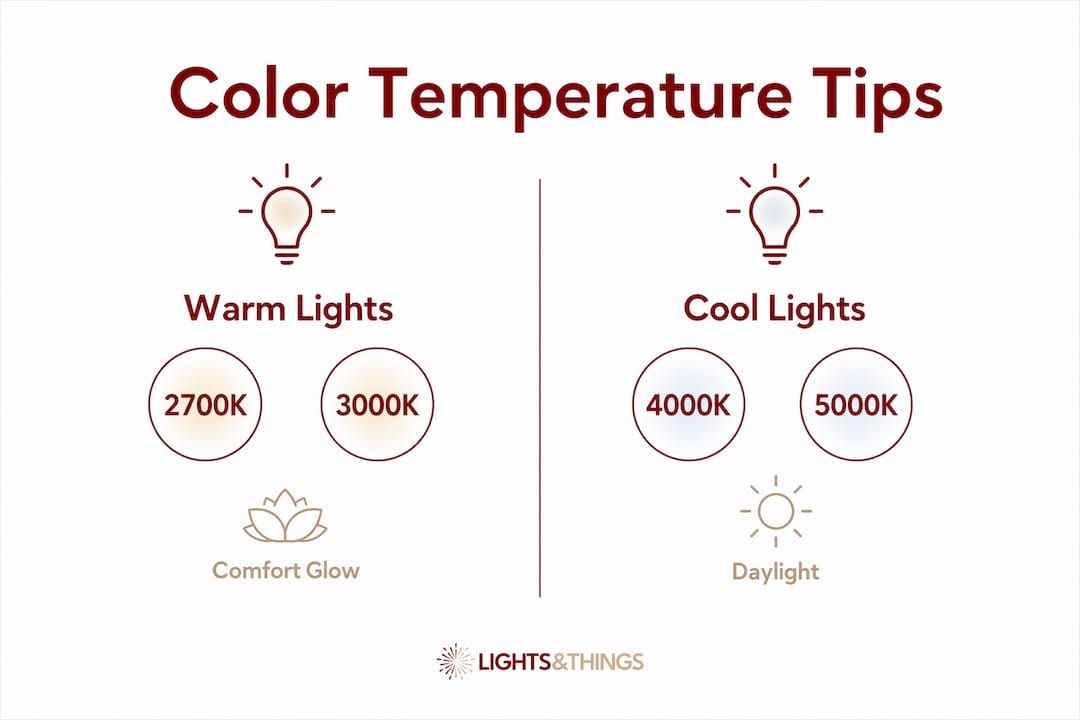
Ignoring color temperature consistency leads to a jarring, cluttered feel. A room where one lamp casts a warm amber glow and another throws a cool blue-white light will feel unresolved, no matter how well the fixtures are styled. Standardizing your bulbs across all fixtures in a room is the fastest fix for a space that feels “off” without an obvious reason.
Metal finishes work the same way. Brushed brass bridges modern and traditional fixtures because it reads as both refined and contemporary. Other finishes that cross style lines include matte black, which pairs with both industrial modern and rustic traditional, and antique bronze, which works alongside both ornate traditional and earthy modern pieces.
Key finish and temperature guidelines to follow:
- Stick to one or two metal finishes across all fixtures in a single room
- Choose warm white bulbs (2700K–3000K) for living rooms, dining rooms, and bedrooms
- Use brushed brass, matte black, or antique bronze as your unifying finish
- Avoid mixing chrome with aged gold in the same space
- Match finish tones across lampshades, hardware, and fixture bodies
Pro Tip: Install dimmable LED bulbs in every fixture you can. Dimming lets you shift the mood of a room without changing a single fixture, and it softens the visual difference between modern and traditional pieces when the light level drops.
Practical steps for layering modern and traditional light fixtures
Layered lighting is the professional term for using ambient, task, and accent lighting together in one room. Ambient lighting provides overall illumination. Task lighting targets specific work areas. Accent lighting highlights objects, architecture, or focal points. When you layer these three types, you create depth and visual interest that a single overhead fixture can never achieve.
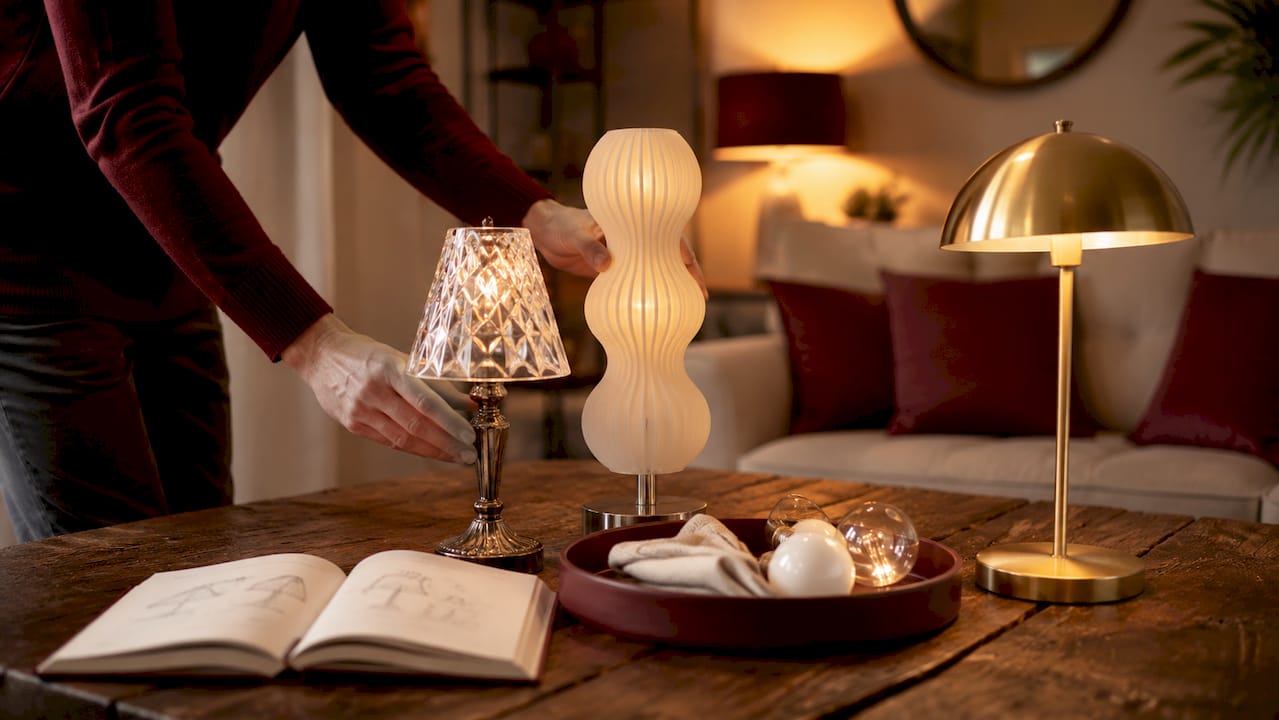
Assign your traditional fixtures the decorative role. A crystal chandelier, an ornate table lamp, or a brass wall sconce carries visual weight and tells a story. These pieces work best as focal points or ambient sources. Assign your modern fixtures the functional role. A sleek arc floor lamp positioned over a reading chair, or a geometric pendant centered over a kitchen island, delivers directed light without competing for attention.
Scale and silhouette matter more than most homeowners realize. A delicate traditional sconce next to an oversized modern pendant looks accidental. A large traditional chandelier paired with slim modern recessed lights looks intentional. The rule is simple: let the dominant style own the largest fixture in the room.
Follow these steps to layer fixtures effectively:
- Start with your ambient source. Choose either a traditional chandelier or a modern flush-mount as your ceiling anchor, based on your 80% dominant style.
- Add task lighting. Place a modern desk lamp, under-cabinet strip, or directional floor lamp where you need focused light.
- Introduce your accent fixtures. This is where the contrasting style enters. A single traditional table lamp or a pair of vintage-inspired sconces adds character without overwhelming.
- Check scale. Stand in the doorway and look at the room. No single fixture should visually overpower the others unless it is intentionally the focal point.
- Adjust placement. Move accent fixtures until the room feels balanced from multiple angles, not just one.
Pro Tip: Mix fixture types rather than duplicating the same shape. Pair a traditional chandelier with a modern floor lamp and a contemporary table lamp. Repeating the same silhouette in two different styles creates visual tension. Varying the form keeps the eye moving comfortably.
What are the easiest ways to experiment with blending lighting styles?
Lighting fixtures are among the most cost-effective design elements to experiment with. Most installations take between 30 and 60 minutes, which means you can test a new look on a Saturday afternoon and reverse it by Sunday if you change your mind. That low commitment makes lighting the ideal starting point for homeowners who want to shift their decor without a full renovation.
Swapping lampshades on existing bases is the lowest-effort method available. A drum shade in linen gives a traditional brass lamp a modern silhouette. A pleated or empire shade on a sleek ceramic base pulls a contemporary lamp toward classic territory. The base stays; only the shade changes. The cost is minimal, and the style shift is immediate.
Other low-risk methods worth trying:
- Replace all bulbs with warm white dimmable LEDs for instant cohesion across mismatched fixtures. For guidance on the best bulb choices, the LED vs. incandescent comparison at LightsThings breaks down the practical differences clearly.
- Add a single accent fixture in the contrasting style. One traditional table lamp in a modern room is a statement. Three is a conflict.
- Reposition existing fixtures before buying new ones. Moving a lamp from a corner to a side table can change how a room reads entirely.
- Use clip-on shades or adapter rings to update pendant fixtures without rewiring.
The goal at this stage is to preview the effect before committing. Think of each swap as a test, not a final decision. If the room feels more cohesive after the change, you have found your direction.
Common pitfalls when blending contemporary and classic lighting
Even well-intentioned mixing goes wrong in predictable ways. Recognizing the most common mistakes lets you correct them before they define your space.
- Color temperature mismatch. One cool-white bulb in a room full of warm ones creates an immediate visual disconnect. Audit every bulb in the room and replace any that fall outside the 2700K–3000K range.
- Too many accent fixtures. The 80/20 rule breaks down when homeowners keep adding “just one more” piece from the contrasting style. Count your fixtures. If the accent style exceeds 20% of the total, remove the weakest piece.
- Ignoring scale. A small traditional sconce next to a large modern floor lamp looks like a mistake. Pair fixtures of similar visual weight, even if their styles differ.
- Too many metal finishes. Three or more different metals in one room create noise. Choose one primary finish and one secondary finish, then hold to it.
- Poor placement. Accent fixtures placed randomly around a room feel scattered. Group them intentionally or position them to frame a focal point like a fireplace, artwork, or architectural feature.
The most common reason a mixed-style room fails is not the fixture choices themselves. It is the absence of a unifying element. Shared finishes, consistent color temperature, and a clear dominant style are the invisible threads that hold an eclectic lighting scheme together.
When a room still feels off after addressing the list above, step back and identify what the fixtures share. If the answer is nothing, that is the problem. Effective style mixes happen when distinct fixtures share visual vocabulary, whether that is a complementary finish, a related shape, or a consistent bulb warmth.
Key Takeaways
Mixing modern and traditional lighting works best when one style leads at 80%, shared finishes and warm bulbs (2700K–3000K) unify the look, and accent fixtures are placed with clear purpose.
| Point | Details |
|---|---|
| Establish a dominant style | Use the 80/20 rule: one style leads, the other accents sparingly. |
| Match color temperature | Standardize all bulbs to 2700K–3000K for a cohesive, warm feel. |
| Unify with finishes | Choose one or two metal finishes across all fixtures in a room. |
| Layer by function | Assign traditional fixtures a decorative role and modern ones a functional role. |
| Start with low-risk swaps | Lampshade changes and bulb replacements let you test styles before committing. |
Why I think most homeowners overcomplicate this
The advice I give most often is the same advice people resist most: pick a side. Homeowners come to me wanting equal parts modern and equal parts traditional, and that is exactly the formula for a room that feels unresolved. The 80/20 ratio is not a design preference. It is a structural principle. A room needs a visual anchor, and that anchor has to be one thing.
What I have found after years of working with residential lighting is that the fixtures themselves matter less than the elements connecting them. Two completely different chandeliers, one modern and one traditional, can coexist beautifully if they share a finish and sit under the same color temperature of light. The shared vocabulary does the heavy lifting. The fixtures just show up.
The other thing worth saying plainly: lighting is the lowest-risk category in home decor. You can coordinate lamps with furniture in an afternoon and reverse the decision by evening. Most people treat fixture choices like paint colors, as if they are permanent. They are not. Experiment freely. The worst outcome is a lamp you return.
The homeowners who get this right are not the ones with the best taste. They are the ones willing to try something, stand back, and adjust. That willingness to iterate is the real skill. The design principles just give you a framework to iterate within.
— Norm Blain
Find the right fixtures for your style at LightsThings
Putting these principles into practice is easier when you have the right fixtures to work with.
LightsThings carries a wide range of decorative lighting options that work across both modern and traditional interiors, from ornate chandeliers that anchor a traditional scheme to clean-lined pendants that bring a contemporary edge. The catalog spans accessible accent pieces to premium statement fixtures, so you can start with a single lampshade swap or invest in a focal-point chandelier that defines the room. Free shipping thresholds, easy returns, and price matching mean you can order with confidence and adjust as your style evolves. Browse the ceiling lighting collection to find your next anchor fixture.
FAQ
What is the best color temperature for mixed lighting styles?
The 2700K–3000K range is the best choice for rooms that combine modern and traditional fixtures. Warm bulbs in this range unify different fixture styles and create a cohesive, inviting atmosphere.
How do I choose a dominant lighting style for my room?
Match your dominant style to the room’s architecture. Rooms with ornate molding and wood details suit traditional fixtures as the lead. Rooms with flat surfaces and open layouts suit modern fixtures as the primary choice.
Can I mix metal finishes in a room with blended lighting styles?
You can use two metal finishes, but limit it to one primary and one secondary. Brushed brass and matte black are the most versatile pairing for rooms that combine modern and traditional light fixtures.
What is the easiest way to test a mixed lighting look?
Swap lampshades before buying new fixtures. A new shade on an existing base shifts the style impression immediately, costs very little, and takes less than five minutes to change back.
How many accent fixtures should I use from the contrasting style?
Keep accent fixtures at or below 20% of the total fixture count in the room. One or two well-placed pieces from the contrasting style reads as intentional. More than that tips the room toward visual clutter.