Your home tells your story whether you plan it that way or not. Every object on display, every color on the wall, and every arrangement you choose broadcasts something about who you are, where you’ve been, and what you value. The difference between a space that feels alive and one that feels hollow usually comes down to intention: did you choose these things because they mean something to you, or because they were on trend?
Storytelling through home decor is the practice of making those choices deliberately. Instead of assembling a room from a catalog, you build it from your life. The result is a space that feels unmistakably yours.
Here are the core elements that make decor tell your story:
- Family heirlooms and inherited objects that carry generational meaning
- Travel souvenirs and cultural artifacts that mark where you’ve been
- Color schemes chosen to reflect your emotional life, not just current palettes
- Artwork and photographs that narrate personal history
- Handcrafted or one-of-a-kind pieces that resist mass-produced sameness
- Childhood mementos repurposed as everyday decor
Psychology research confirms that observers can accurately identify personality traits just by looking at how someone decorates and organizes their home. Your space is already communicating. The only question is whether it’s saying what you want it to say.
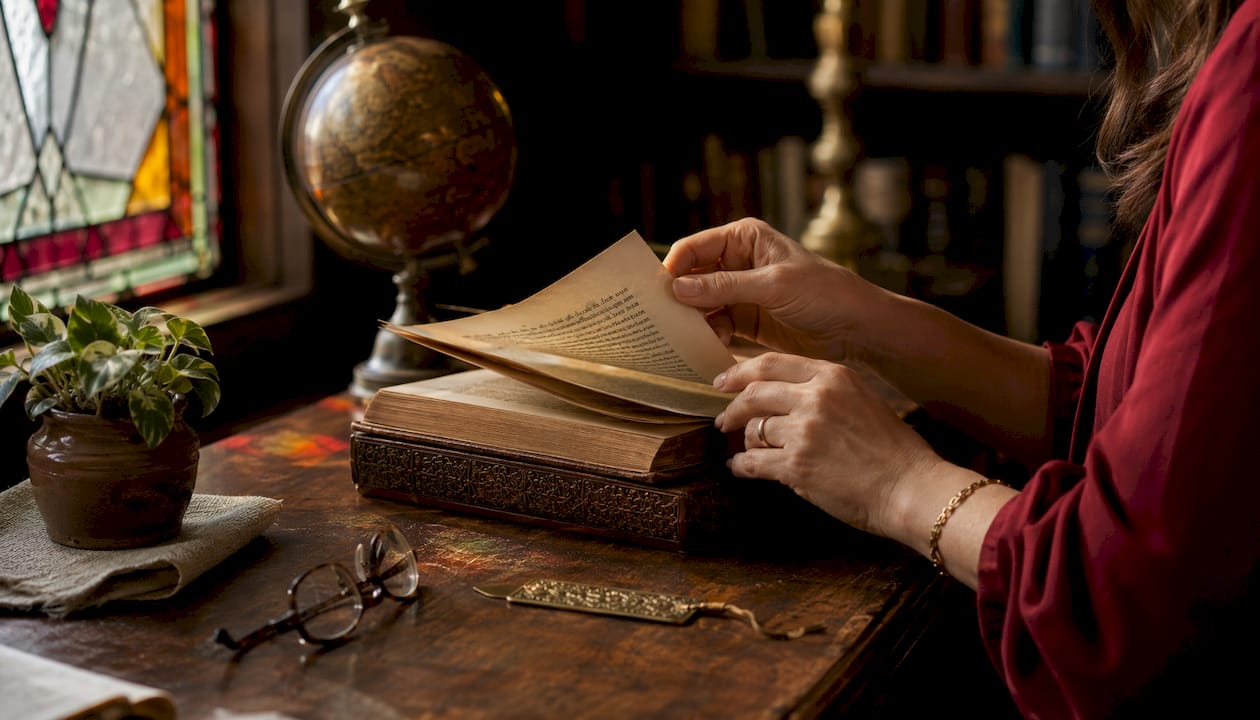
Core design principles for expressing your story through decor
The most common decorating mistake is imitating someone else’s style. Whether the inspiration comes from a Pinterest board, a hotel lobby, or a friend’s living room, copying leads to a room full of trends rather than personality. Suumit Arora, Founder and CEO of Artiure, puts it plainly:
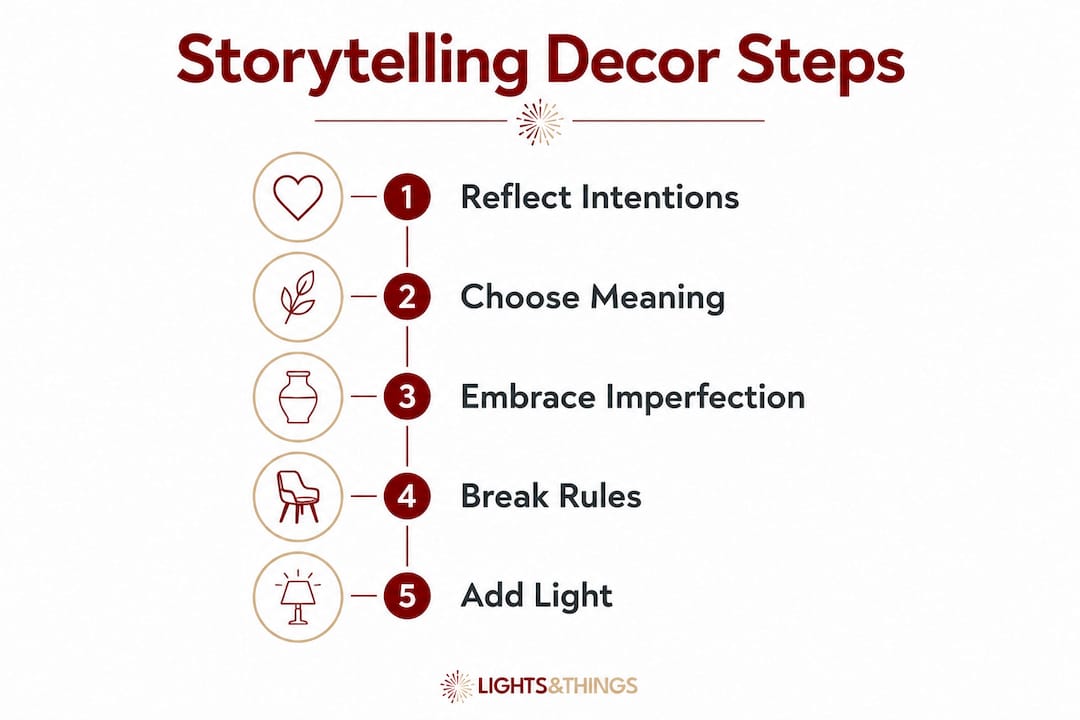
Intentionality is the foundation. That means starting with an honest reflection on what you actually love: the colors that calm you, the textures you want to touch, the artwork that genuinely moves you. From there, you prioritize pieces with personal significance over pieces that simply match a theme.
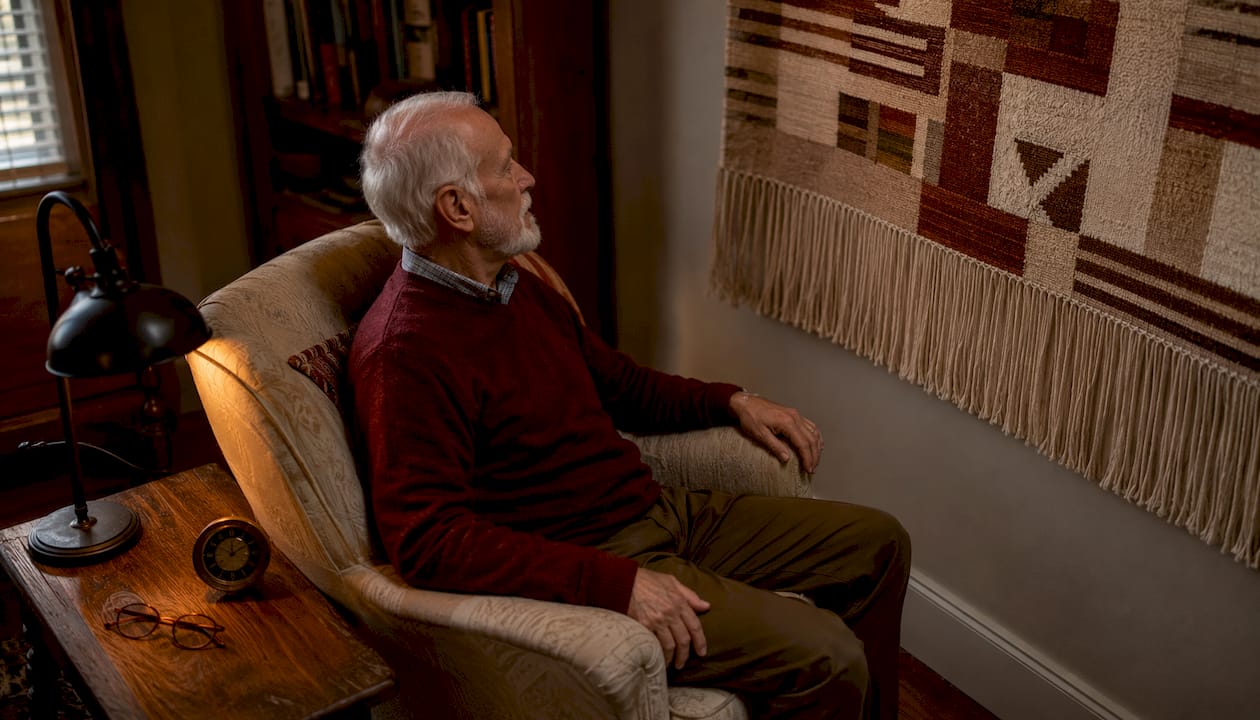
Authenticity also requires accepting imperfection. A handmade painting shows brushstrokes and texture in a way a factory print never will. Those small imperfections are what give a room soul. Choosing pieces that carry visible evidence of human hands, time, or wear adds emotional depth that no showroom arrangement can replicate.
Pro Tip: When you’re unsure whether a piece belongs in your space, ask yourself: does this object have a name, a face, or a memory attached to it? If the answer is yes, it belongs. If it’s just filling a visual gap, reconsider.
How to choose materials and objects that carry real meaning
The objects that anchor a room with authentic story are rarely the most expensive ones. They’re the ones that carry a name, a face, or a specific moment in time.
Categories worth drawing from:
- Family heirlooms: A grandmother’s candy dish, a grandfather’s hat, silver baby cups, or a peg board game from childhood
- Travel finds: Textiles, ceramics, or small sculptures picked up on specific trips
- Cultural artifacts: Objects that connect you to your heritage, whether through craft traditions, regional materials, or family customs
- Childhood mementos: Ballet shoes, sporting equipment, childhood artwork, or baby announcements displayed with intention
- Handwritten documents: Framed letters, old school assignments, wedding invitations, or recipes engraved on a cutting board
The storytelling decor movement gained real traction when the Quadhamer family’s home went viral after their daughter shared photos of a house filled with displayed family memorabilia, including her dad’s childhood writing assignments, a great-grandmother’s necklace, and childhood ballet shoes. The TikTok post gathered more than 15.2 million views, and the family’s message was simple: “You don’t need heirlooms passed down for generations. Use what you already have.”
“It’s great to be able to stop and take a moment and have a sweet memory of something because you’re looking at it, as opposed to it being in a box in the attic.” — Amanda Quadhamer
Texture matters just as much as the object itself. Handcrafted wood, woven textiles, aged metals, and worn leather all communicate something that smooth, factory-finished surfaces cannot. When you layer these materials into a room, you’re adding sensory depth that makes the space feel lived in rather than staged.
Pro Tip: Don’t hide meaningful objects in storage waiting for the “right” moment to display them. Mount sporting equipment on a wall, frame childhood artwork, or display dice and old playing cards in glass jars. The everyday visibility is the point.
Why breaking design rules often serves your story better
Conventional design rules exist to create visual harmony, but they can work against authentic personal expression when followed too rigidly. Mixing furniture styles from different eras, pairing a rough-hewn vintage piece with a contemporary fixture, or layering patterns that don’t “match” can produce a space that feels genuinely yours rather than assembled from a style guide.
Interior designer Lucy Hammond Giles of Sibyl Colefax & John Fowler frames it this way:
The main character decor trend in 2026 captures this spirit well. Interior designer Ariel French describes it as “boldness and conviction. Like personal style in fashion, it’s not a one-size-fits-all proposition. The whole point is that it looks different on everyone. It transcends whatever is trending at any given moment and gets at something deeper: what makes a space feel unmistakably, unapologetically you.”
Practically, this might look like taking wallpaper all the way to the ceiling in a small hallway, hanging a flat-weave rug on the wall as art, or placing a vintage piece in a room full of contemporary furniture. The juxtaposition creates visual interest, but more importantly, it creates a conversation. Guests ask about it. You get to tell the story behind it.
Practical tips for building intentional storytelling decor at home
Getting your personal narrative into your home doesn’t require a full renovation or a large budget. It requires curation and placement.
- Start with what already moves you. Walk through your home and note the objects that make you feel something when you look at them. These are your anchors. Build around them.
- Display, don’t store. Frame childhood clothing, mount old sporting equipment, put meaningful letters on a clipboard and hang them on the wall.
- Use color with intention. Choose a palette that reflects your emotional life. Warm burgundy and deep terracotta communicate something very different from cool gray and white. Neither is wrong; both are choices.
- Build a gallery wall that narrates history. Combine family photographs, travel prints, and original artwork in one arrangement. Add handwritten captions or dates to photographs for an extra layer of story.
- Curate, don’t clutter. Select a few meaningful pieces and give them space to breathe. A single handcrafted artwork chosen for personal significance adds more character than a shelf crowded with generic accents.
- Adapt the story room by room. Your bedroom might hold the most intimate objects: inherited textiles, a photograph from a meaningful trip. Your living room can carry the more social story: collections, books, and art that invite conversation.
- Treat pre-owned items as assets. The 2026 personalized home trend actively favors pre-owned meaningful items over new purchases, recognizing that authenticity often lives in objects with history.
Pro Tip: Lighting is one of the fastest ways to shift how your story reads in a room. A well-placed fixture draws the eye directly to a meaningful object, turning it into a focal point rather than background noise. Swapping a builder-grade overhead for something artful and intentional can change the entire energy of a space. Use accent lighting to spotlight the pieces that matter most to you.
Accent lighting techniques like directional spotlights, picture lights, and shelf-mounted strips are particularly effective at creating intimate vignettes around meaningful objects. The light frames the story; the object tells it.
What psychology tells us about decor and personal identity
The connection between home decor and identity is well documented. Research from the University of Texas at Austin shows that observers can accurately read personality traits from home environments, correlating decor choices with the Big Five personality traits. Extroverts tend to design socially inviting spaces with open arrangements and conversation-friendly furniture. Introverts often create cozy corners and quieter vignettes. The objects you display make “identity claims,” sending deliberate signals about your values, goals, and preferences to everyone who enters.
This isn’t just about what others see. Personalized spaces have a measurable effect on the people who live in them. Arora describes a home that feels personal as “the visual equivalent of taking off your shoes.” When your surroundings reflect your own choices, the space becomes more comfortable, restorative, and emotionally supportive. That feeling of recognition, of walking into a room and seeing yourself reflected back, is what separates a house from a home.
“The interiors we create serve mostly two key purposes. One is simply display. The second is almost like a diary, a record of a conceptualized idea of home, of what safety and comfort means to us, and our story of our journey through life.” — Benedict Foley, interior designer
Books and curated art collections function as personal narratives even without a large budget. Patrick O’Donnell, color consultant at Farrow & Ball, notes that bookshelves in particular reveal taste and story in a way that few other decor elements can match. The objects you choose to keep visible are a running autobiography.
The emotional benefits extend beyond comfort. Homes that reflect authentic personal choices tend to feel more restorative at the end of a demanding day, precisely because they connect you to your own history and values rather than to a generic aesthetic. Handcrafted pieces, in particular, accumulate meaning over time, becoming part of home identity in a way that trend-driven items rarely do.
Pro Tip: Treat your home as a living archive rather than a finished product. Add to it slowly, with intention. A space that grows with you over years will always feel more authentic than one assembled all at once.
Key Takeaways
Decor tells your personal story most powerfully when every object, color, and arrangement reflects a deliberate choice rooted in your own life, values, and history rather than borrowed from a trend.
| Point | Details |
|---|---|
| Intentionality over imitation | Copying trends produces rooms with no emotional connection; authentic choices create spaces that feel genuinely yours. |
| Meaningful objects over matched sets | Family heirlooms, travel finds, and childhood mementos anchor a room with real story that mass-produced decor cannot replicate. |
| Lighting amplifies the narrative | Artful fixtures and accent lighting draw focus to meaningful objects, turning them into focal points rather than background items. |
| Psychology supports personalization | Research shows decor choices correlate with personality traits and that personalized spaces feel more restorative and emotionally supportive. |
| Rules serve the story, not the other way around | Mixing styles, eras, and unexpected elements creates visual interest and invites the conversations that bring your story to life. |
Bring your story to life with LightsThings
The right lighting doesn’t just illuminate a room. It frames the objects and moments that matter most to you. At LightsThings, we carry decorative lighting and curated home accents designed to help you build spaces that feel personal, layered, and genuinely yours. From statement chandeliers to sculptural floor lamps, every piece in our catalog is chosen to add character, not just light.
Explore the full collection at LightsThings and find the fixtures that help your story shine.