Lighting defines interior style by creating layers of ambient, task, and accent light that shape mood, depth, and the overall character of a room. Most homeowners treat lighting as a finishing touch, but professional designers treat it as a primary design lever. The right fixture in the right position does more than illuminate. It directs the eye, adds texture, and makes every other design choice look intentional. Understanding how lighting defines interior style is the difference between a room that looks decorated and one that feels complete.
What are the three layers of lighting and how do they influence interior style?
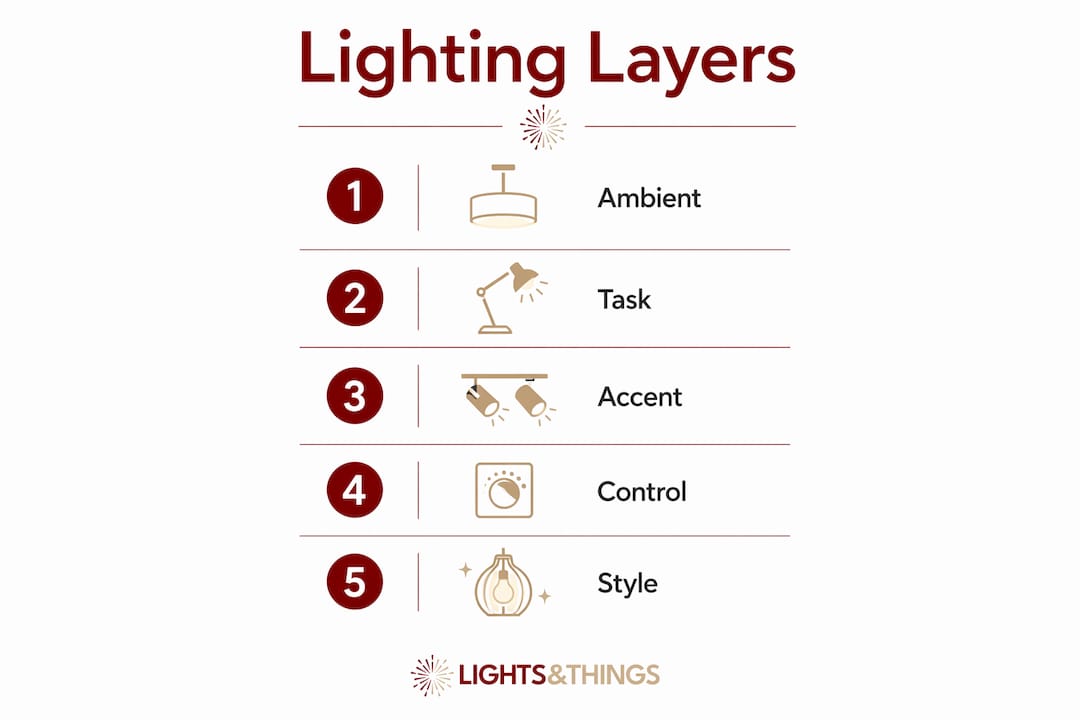
The three-layer approach of ambient, task, and accent lighting is the foundation of professional residential lighting design. Each layer serves a distinct purpose, and together they create the depth and mood that make a room feel curated rather than assembled.
-
Ambient lighting is the base layer. It provides general illumination and sets the overall tone of the room. A ceiling fixture, chandelier, or recessed lights typically handle this role. The quality of your ambient light determines whether a room feels warm and inviting or cold and clinical.
-
Task lighting serves a functional need at a specific location. Think of a reading lamp beside an armchair, pendant lights over a kitchen island, or a desk lamp in a home office. Task lighting adds visual interest at eye level while solving a practical problem.
-
Accent lighting is the layer most homeowners skip, and it is the one that creates the most visual impact. It highlights artwork, architectural features, or textured surfaces. Accent lighting using track heads or strips can zone a large room and create a sense of rhythm that guides the eye around the space.
The critical technical detail is independent control. Separate switches or dimmers for each layer allow you to shift the room’s mood from bright and functional to soft and atmospheric without rewiring anything. Most professional lighting plans call for a minimum of 2–3 distinct light sources per room for exactly this reason.
Pro Tip: Install dimmers on every circuit from the start. Retrofitting them later costs more and often requires an electrician. Dimmers give you a range of atmospheres from a single fixture.
How do lighting fixture design and materials contribute to defining interior style?
Lighting fixtures are daytime sculpture. Their form, texture, and material contribute to a room’s style hierarchy even when the lights are off. A hand-blown glass pendant above a dining table reads as an art object at noon and a mood-setter at dinner. That dual role is what separates a thoughtfully chosen fixture from a generic one.
The fixtures you select signal your room’s style classification immediately:
- Modern and minimalist rooms favor geometric forms, matte black or brushed nickel finishes, and clean silhouettes.
- Traditional and classic spaces lean toward ornate chandeliers, antique brass, and fabric shades.
- Transitional interiors blend both, pairing a simple drum shade with a warm metallic finish for balance. The transitional lighting style is one of the most popular choices for homeowners who want flexibility as their taste evolves.
- Organic and artisanal designs, which dominate 2026 trends, use hand-blown glass, textured ceramics, and natural fibers to add tactile warmth that mass-produced alternatives cannot replicate.
One of the most effective styling moves is mixing metal finishes within a single room. Matching every fixture to the same finish reads as flat and overly coordinated. Pairing a brass chandelier with matte black sconces, for example, creates a collected, layered look that feels personal rather than showroom-ready.
Pro Tip: Treat your statement fixture as the room’s focal point first, then build the rest of your finishes around it. This gives the space a clear visual anchor.
The physical form, materiality, and scale of a fixture contribute to the room’s style layers regardless of whether the light is on. Scale matters as much as style. A fixture that is too small for the ceiling height disappears. One that is proportioned correctly commands the room.
What role do color temperature and light placement play in affecting decor?
Color temperature is the single most misunderstood variable in residential lighting. Warm light in the 2700K–3000K range creates cozy, inviting atmospheres ideal for living rooms, dining rooms, and bedrooms. Cooler light at 3500K–4000K sharpens focus and suits home offices, kitchens, and bathrooms. Choosing the wrong temperature can make a beautifully furnished room feel sterile or, conversely, too dim to function in.
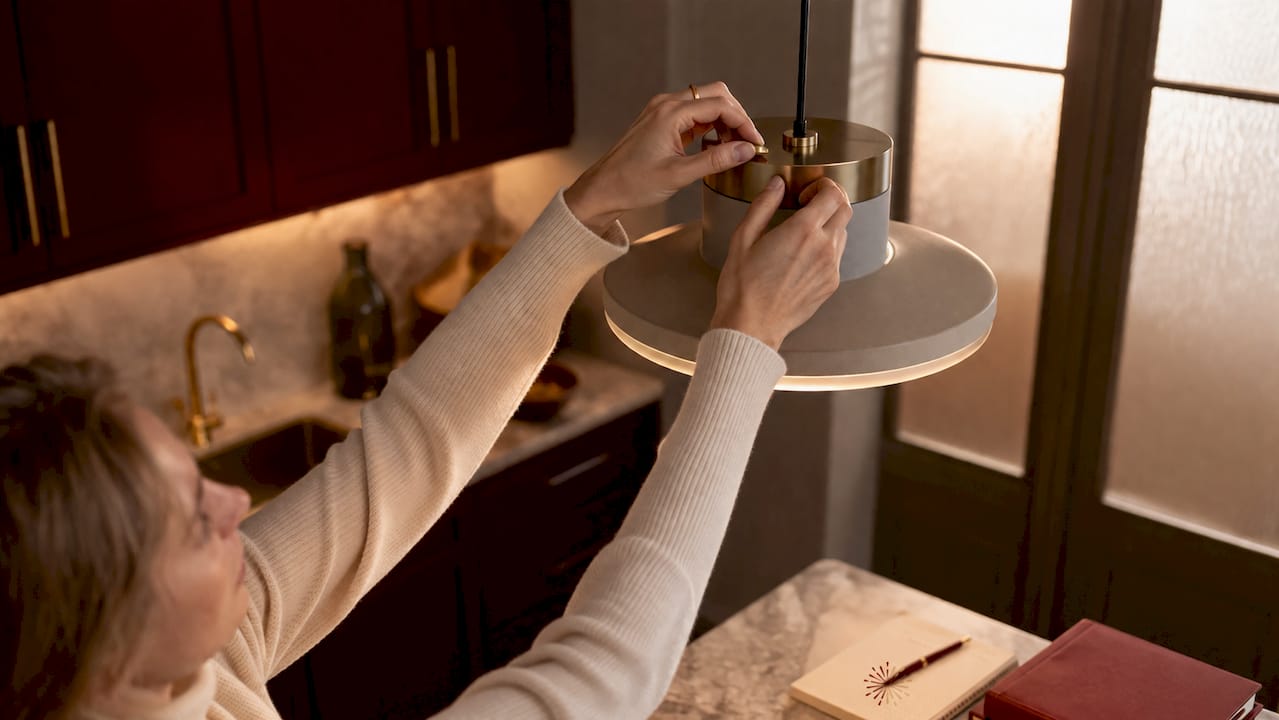
Light placement shapes how a room reads spatially. Light from the side, through table lamps or wall sconces, produces soft, flattering shadows that add texture and depth. Overhead light flattens surfaces and eliminates the shadow play that makes a room feel three-dimensional. Placing multiple light sources at varying heights prevents the flat, one-note look that a single overhead fixture creates.
| Placement type | Effect on space | Best use |
|---|---|---|
| Overhead ambient | Even, flat illumination | General visibility |
| Side lamps and sconces | Soft shadows, texture, warmth | Living rooms, bedrooms |
| Uplighting | Height and drama | Tall plants, architectural columns |
| Accent spots | Focus and visual rhythm | Artwork, shelving, niches |
Accent lighting must be several times brighter than the ambient level to direct attention effectively. If the contrast is too low, the accent effect disappears. This is why a single recessed light pointed at a painting rarely works. A dedicated picture light or adjustable track head at the correct angle makes the difference.
Pro Tip: Aim for at least three light sources at different heights in every living space. Floor lamp, table lamp, and ceiling fixture is the simplest combination that creates genuine depth.
How have interior lighting trends evolved up to 2026?
The most significant shift in residential lighting over the past several years is the move away from generic recessed ceiling grids toward layered, architectural lighting that interacts with surfaces. The era of the “sea of downlights” is over, according to lighting design directors. Relying solely on recessed lights flattens textures and creates sterile atmospheres. The current approach treats every surface as an opportunity for light to create character.
The trends shaping interiors in 2026 reflect a broader shift from functional to emotional lighting:
- Sculptural fixtures that function as art objects when unlit, with organic shapes and handcrafted details
- Natural materials including rattan, linen, ceramic, and hand-blown glass that bring warmth and authenticity
- Human-centric lighting that mimics natural daylight cycles to support well-being and biological rhythms, now considered a standard feature rather than a luxury
- Personalized lighting plans that reflect the homeowner’s lifestyle rather than a generic builder-grade solution
“The shift from functional to emotional and sculptural lighting reflects homeowners’ increased desire for lighting to express personal style and mood. Integrated lighting plans with separate circuits and dimmers offer flexibility and mood adaptability that define professional interiors.”
This shift connects directly to how interior trends influence lighting choices at the product level. Homeowners now research fixtures the way they research furniture, considering form, material, and finish as carefully as lumen output. The decorative lighting buying guide approach, where function and aesthetics are evaluated together, has become the standard for design-conscious shoppers.
How can homeowners practically apply lighting design principles?
Applying layered lighting does not require a full renovation. The most impactful changes follow a clear sequence:
- Plan lighting early. Integrate your lighting scheme into the design process before furniture is placed. Retrofitting circuits is expensive and disruptive.
- Wire for independent control. Each layer, ambient, task, and accent, should have its own switch or dimmer. This is the technical detail that separates professional from DIY lighting.
- Add dimmers to every circuit. A dimmer on your ambient layer alone transforms how a room feels after 6:00 PM.
- Choose fixtures for form and function. Every fixture should earn its place visually, not just electrically. Consult a room-by-room lighting guide to match fixture types to room needs.
- Start with small accent additions. Rechargeable lamps and picture lights are cost-effective ways to add the accent layer without rewiring. A picture light above a framed print instantly makes a wall feel intentional.
Pro Tip: If your room has only one overhead light, add a floor lamp and a table lamp before buying anything else. That single change creates the layered effect that makes rooms feel designed.
Mixing metals and finishes strategically ties the layers together. Choose one dominant finish for your largest fixture, then use a secondary finish for smaller pieces. Two finishes in a room feel curated. Three or more can feel chaotic unless handled carefully.
Key takeaways
Layered lighting, combining ambient, task, and accent sources with independent dimmer control, is the single most effective way to define and elevate interior style.
| Point | Details |
|---|---|
| Layer your lighting | Use ambient, task, and accent sources together for depth and mood. |
| Control each layer independently | Separate dimmers for each circuit give you full flexibility over atmosphere. |
| Treat fixtures as decor | Fixture form, material, and scale shape style even when lights are off. |
| Match color temperature to the room | Use 2700K–3000K for living spaces and 3500K–4000K for work areas. |
| Add accent lighting first | Small additions like picture lights and rechargeable lamps create the biggest visual shift for the least investment. |
Why lighting is the design element most homeowners underestimate
I have walked through hundreds of beautifully furnished rooms that felt flat, and the reason was always the same: the lighting was an afterthought. A $4,000 sofa sitting under a single recessed light looks like a floor sample. The same sofa lit with a floor lamp, a table lamp, and a picture light above the art behind it looks like it belongs in a magazine.
The uncomfortable truth is that most homeowners allocate their renovation budget to surfaces and furniture, then scramble to fill the lighting budget at the end. That sequence is backwards. Lighting is what makes everything else visible in the way you intended. Under-budget it, and you are essentially paying full price for design that no one will see correctly.
What I find most overlooked is the fixture’s role when the lights are off. A ceramic pendant or a hand-blown glass chandelier is a sculptural object that contributes to the room’s character all day. Choosing a fixture purely for its light output misses half its value. The best fixtures work as hard in daylight as they do at night.
The other detail that separates rooms that feel designed from rooms that feel decorated is control. A room where every light is on a single switch is a room with one mood. A room with three independently controlled layers can be a bright workspace at 9:00 AM and a warm, intimate space at 9:00 PM. That flexibility is not a luxury. It is the point.
— Norm Blain
Lighting collections worth exploring for your home
LightsThings carries a wide range of decorative and ceiling fixtures built for homeowners who want both illumination and visual impact. Whether you are building a layered scheme from scratch or adding a statement piece to an existing room, the catalog spans accessible accent pieces to premium sculptural fixtures.
The decorative lighting collection includes chandeliers, pendants, floor lamps, and table lamps across modern, transitional, and artisanal styles. For homeowners ready to invest in a fixture that anchors a room, the statement lighting selection features pieces priced above $550 that function as art objects as much as light sources. LightsThings also offers free shipping thresholds, easy returns, and financing options, so building your layered scheme is practical at any budget.
FAQ
What is the three-layer lighting method?
The three-layer method combines ambient, task, and accent lighting in a single room. Each layer serves a distinct purpose, and independent control via dimmers allows you to shift the room’s mood on demand.
What color temperature is best for living rooms?
Warm light in the 2700K–3000K range is best for living rooms and bedrooms. It creates a cozy, inviting atmosphere that cooler bulbs cannot replicate.
How does accent lighting affect interior style?
Accent lighting highlights artwork, architectural features, and textured surfaces, creating visual rhythm and depth. It must be several times brighter than the ambient level to direct attention effectively.
Why do lighting fixtures matter when the lights are off?
Fixtures contribute to a room’s style hierarchy through their form, material, and scale regardless of illumination. Designers treat them as daytime sculpture, meaning their visual presence matters all day.
How can I add layered lighting without rewiring?
Rechargeable lamps and plug-in picture lights are the most practical starting points. Adding a floor lamp and a table lamp to a room with a single overhead fixture creates the layered effect immediately, with no electrical work required.