What are the main types of floor lamps and what do they do?
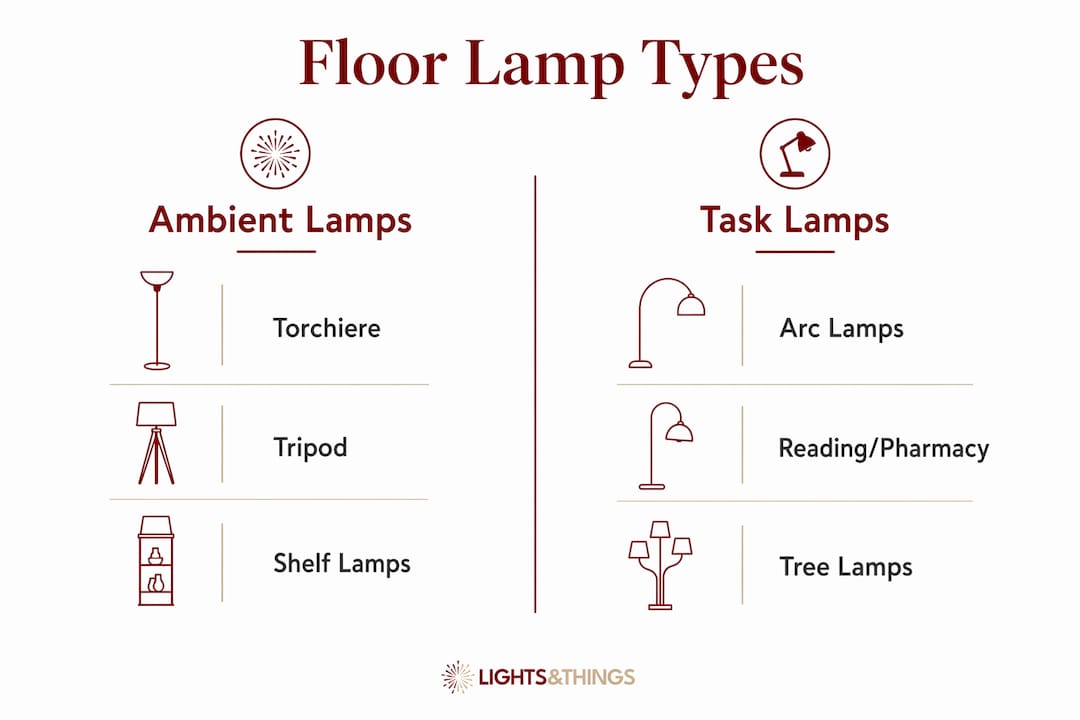
Floor lamps fall into six core categories, each built around a specific lighting function: ambient, task, accent, or decorative balance. Getting that match right is what separates a lamp that genuinely improves a room from one that just takes up floor space.
Here is a quick orientation to the main types:
- Torchiere: Directs light upward toward the ceiling, creating broad ambient illumination across the room. Best for dim spaces without enough overhead light.
- Arc lamp: A curved arm extends outward from a weighted base, suspending a shade overhead. Ideal for lighting over sofas, sectionals, or dining corners where no ceiling fixture exists.
- Reading or pharmacy lamp: Features an adjustable head or arm that focuses light directly on a task area. The go-to choice for reading nooks, hobby chairs, and bedside seating.
- Tripod lamp: Three-legged base with a shaded fixture on top. Chosen as much for sculptural form as for soft ambient output.
- Tree or multi-light lamp: Multiple adjustable arms pointing in different directions from a single pole. Useful in shared spaces or rooms with more than one activity zone.
- Shelf or combination lamp: Integrates a small shelf or side table into the lamp structure, adding function alongside light.
Identifying your primary lighting role before you shop makes every other decision easier. Once you know whether you need ambient fill, focused task light, or a decorative anchor, the right lamp type becomes clear.
Table of Contents
- A closer look at each floor lamp type: design, light, and materials
- How to choose the right floor lamp for your room
- Placement and height: getting the position right
- Expert insights on using floor lamps well
- LightsThings has the floor lamps to match your room and your style
- Key Takeaways
A closer look at each floor lamp type: design, light, and materials
Torchiere lamps
Torchiere lamps direct light upward, bouncing it off the ceiling to diffuse a soft glow across the room. They are excellent for reducing dark corners and supplementing weak overhead lighting. The trade-off is that they are not suited for reading or focused tasks, since the light never lands directly on a work surface.
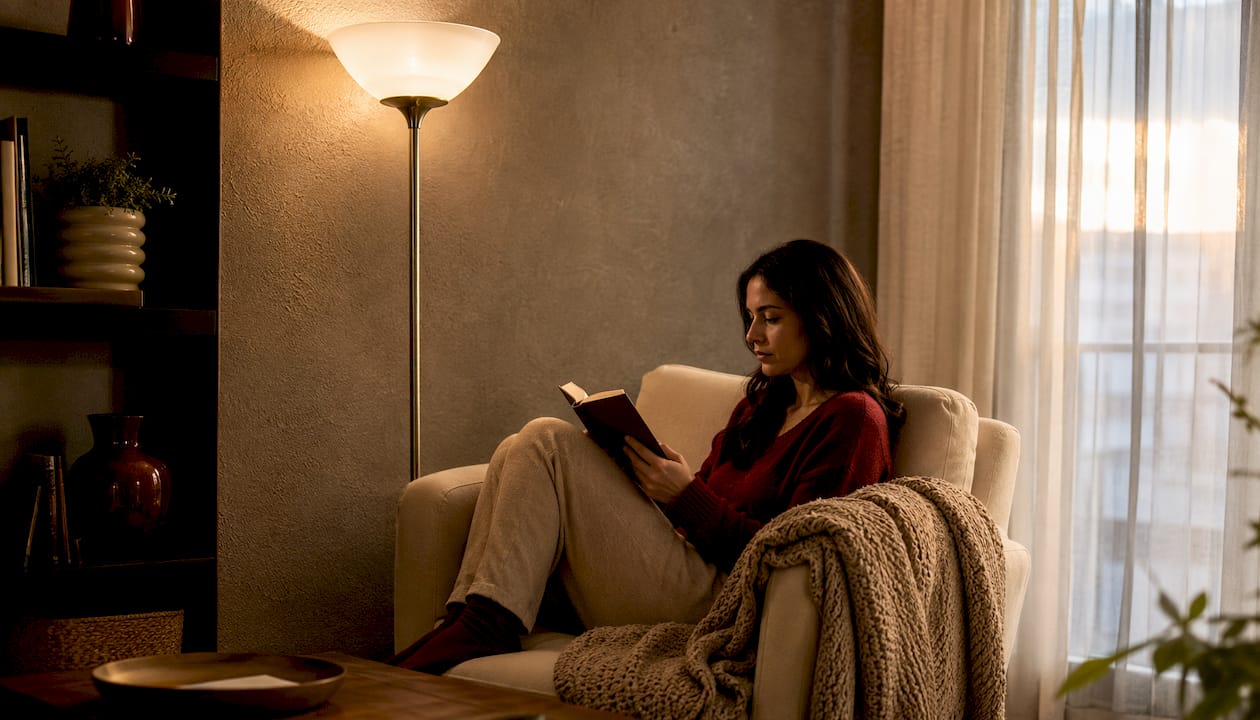
Most torchieres stand tall with a slim pole and a bowl-shaped shade at the top. Metal and resin are the most common base materials, and many models accept LED bulbs in the 2700–3000K range for a warm, inviting tone.
Advantages: Slim footprint, easy placement, effective ambient coverage. Limitations: No directed task light; upward beam can feel flat if used alone.
Arc floor lamps
Arc lamps are the most architecturally dramatic option in this category. The curved arm typically extends horizontally from the base, placing the shade directly overhead like a pendant without requiring any ceiling installation. That overhead position makes them particularly effective for lighting a sofa or reading chair from above.
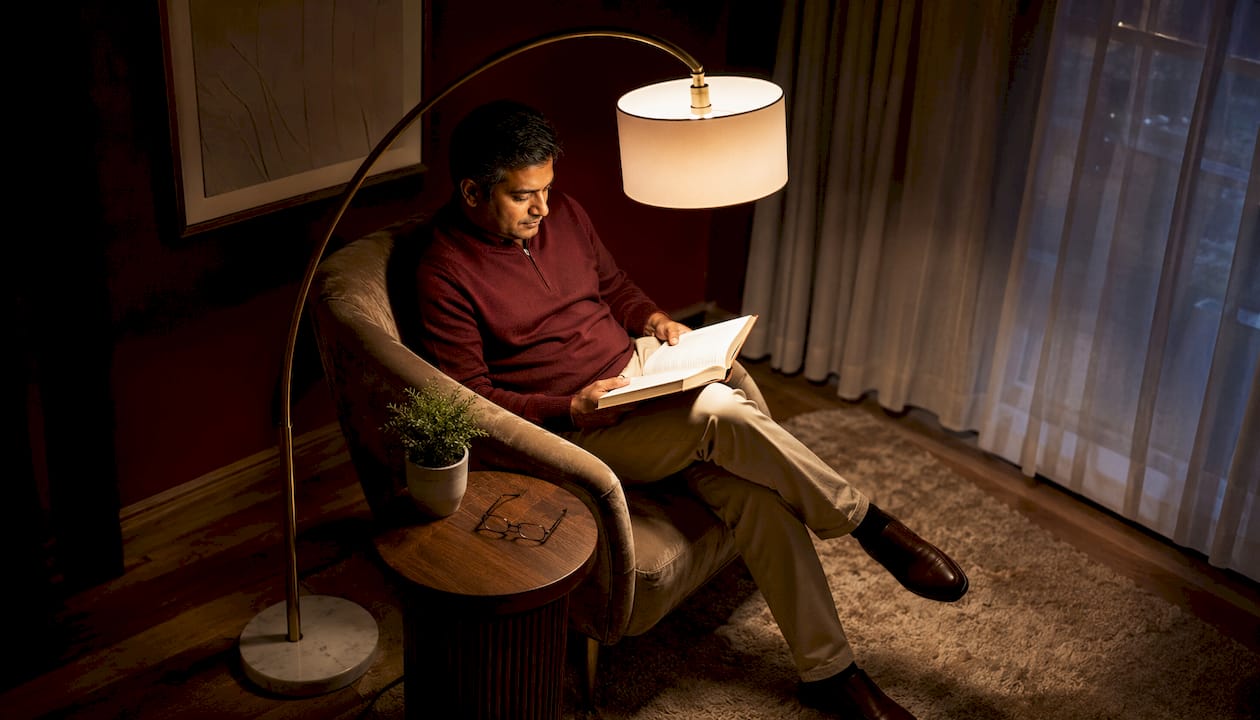
The base is the structural key. A weighted base with a diameter between 10 and 16 inches is necessary to counterbalance the extended arm and prevent tipping. Marble bases offer exceptional stability and a luxury finish; metal bases are lighter and easier to move. Total height is generally substantial, so ceiling clearance matters.
Many arc lamps include adjustable pivot or swivel features that let you reposition the shade as your furniture arrangement changes. That adaptability is one of their strongest practical advantages.
Advantages: Overhead-style light without installation, strong visual presence, adjustable models offer flexibility. Limitations: Requires floor clearance around the base and enough ceiling height for the arc.
| Material | Stability | Weight | Best for |
|---|---|---|---|
| Marble base | Excellent | Heavy | Large arcs, statement rooms |
| Metal base | Good | Medium | Everyday use, easy repositioning |
| Wood base | Moderate | Medium | Warm, natural decor styles |
Reading and pharmacy lamps
A reading lamp solves a specific problem: you need light exactly where you are working, not scattered across the room. These fixtures feature adjustable heads and arms that place focused illumination over a shoulder, onto a page, or across a craft surface. The ergonomic positioning reduces eye strain during extended sessions.
Pharmacy lamps, a classic subset, have a pivoting metal shade on a weighted pole. They tend to be compact and practical, with a look that suits both traditional and modern interiors. Switch placement matters here: the best models put the control within easy reach from a seated position, so you are not stretching across the room to turn the light off.
Advantages: Precise, directed light; adjustable positioning; compact footprint. Limitations: Limited ambient output; not ideal as a room’s only light source.
Tripod lamps
Tripod lamps are chosen as much for form as function. The three-legged base adds sculptural interest and a sense of crafted detail that a single-pole lamp cannot replicate. That base also occupies more floor space, so they work best in rooms with enough breathing room around the seating area.
Light output is typically soft and ambient, coming through a fabric drum or cone shade. They pair well with sculptural floor lamp styles in living rooms and bedrooms where the lamp is as much a design statement as a light source. Wood and metal are the most common leg materials, with wood adding warmth and metal lending a more contemporary edge.
Advantages: Decorative impact, stable three-point base, works in most decor styles. Limitations: Wider footprint than single-pole designs; not suited for tight spaces.
Tree and multi-light lamps
Tree lamps use multiple adjustable arms extending from a central pole, each with its own shade or bulb. The result is a single fixture that can cover several activity zones at once, making them practical in open-plan living areas or shared spaces where one person reads while another watches television.
The adjustability is the selling point. You can angle individual arms toward a reading chair, a side table, or a corner shelf independently. Most tree lamps have a relatively slim central pole, so the overall footprint stays manageable despite the multiple arms.
Advantages: Multi-directional coverage, flexible for varied tasks, single outlet required. Limitations: Can look visually busy in smaller or more minimal rooms.
Shelf and combination lamps
Combination lamps integrate a small shelf, side table, or storage element into the lamp structure. They are a practical solution for tight spaces where a separate side table would crowd the room. The shelf typically sits at a useful height near a seating area, holding a book, a remote, or a small plant.
Light output varies by model. Some use an upward-facing shade for ambient light; others include a directed reading arm. For small apartments or studio layouts, a combination lamp can do the work of two pieces of furniture at once.
Advantages: Space-saving, dual function, practical for renters and small rooms. Limitations: Style options are narrower; the shelf can limit shade or arm adjustability.
How to choose the right floor lamp for your room
Start with your lighting goal. That single decision narrows the field faster than any other factor.
- Need ambient fill? A torchiere or shaded upward lamp works well. If the room still feels flat, pair it with a table lamp at a lower height.
- Need focused task light? A reading or pharmacy lamp with an adjustable head is the right call.
- No ceiling fixture over the sofa? An arc lamp is usually the cleanest solution, provided the room has enough width to support the arm’s reach.
- Want a decorative anchor? Prioritize silhouette and material first, then confirm the lamp still provides enough useful light for the space.
Room size and ceiling height shape the decision too. Arc lamps need ceiling clearance for the full arc, and very tall torchieres can feel overwhelming in rooms with low ceilings. For smaller rooms, a slim-pole lamp with a compact footprint keeps walkways clear. When you are thinking through spatial flow alongside your lamp choice, a guide on living room rug sizing can help you visualize how the lamp base relates to furniture placement and floor coverage.
Selection criteria at a glance:
- Lighting goal: ambient, task, accent, or decorative
- Room dimensions and ceiling height
- Base footprint and clearance for walkways
- Shade direction: upward for ambient, downward or angled for task
- Switch placement: reachable from your seated position
- Bulb type: LED bulbs in the 2700–3000K range for warm ambient light; cooler temperatures for task-focused setups
- Dimming compatibility for flexible mood control
Pro Tip: Layering two or three light sources at different heights almost always produces better results than relying on a single tall lamp. A floor lamp paired with a table lamp or wall sconce creates depth and eliminates the flat, one-dimensional feel that a single fixture produces.
Matching the lamp’s style to your room’s existing decor is the final step, not the first. A beautifully designed arc lamp in brushed nickel will not improve a room if it is the wrong type for the lighting job. Get the function right, then let the aesthetic guide your final pick. For coordinating lamp styles across a room, the LightsThings guide on matching floor and table lamps walks through how to balance proportions and finishes without overmatching.
Placement and height: getting the position right
Lamp height relative to your seated eye level determines whether a lamp is comfortable or creates glare. For reading lamps, the lower edge of the shade should sit slightly above shoulder height when you are seated, angled toward the page rather than across the room. Ambient lamps generally work well between 58 and 68 inches tall, depending on shade size and ceiling height.
Arc lamps need particular attention to placement. The base should sit far enough behind or beside the sofa that the arm clears heads comfortably, and the shade should land over the seating area rather than behind it. A base positioned 20–24 inches behind the sofa typically achieves that balance. Check that the base does not block a walkway or crowd a recliner’s path.
Placement rules to follow:
- Keep the bulb or bright interior of the shade out of direct sightlines from seated positions
- Allow at least 18 inches of clearance around arc lamp bases for safe movement
- Position reading lamps so light falls over your shoulder, not in front of your face
- In open-plan spaces, use tree or multi-light lamps to cover multiple zones from one outlet
- Avoid placing tall torchieres directly beside low furniture where the upward beam creates an uneven wash
Pro Tip: When layering floor lamps with other fixtures, vary the heights deliberately. A floor lamp at 65 inches, a table lamp at 24 inches, and a wall sconce at 48 inches create a staggered visual rhythm that makes a room feel curated rather than assembled.
Base size affects both safety and aesthetics. A weighted, wide base on an arc lamp is not just a stability feature; it also anchors the lamp visually so the extended arm does not look like it might topple. For coordinating lamps with furniture, proportion between the base and nearby pieces matters as much as the lamp’s height.
Expert insights on using floor lamps well
The most common frustration with floor lamps comes from a mismatch between lamp type and lighting goal. Using an ambient torchiere as a reading lamp is a classic example: the upward beam creates a pleasant glow in the room but leaves the page in relative shadow. The fix is not a brighter bulb. It is choosing a reading lamp with a directed, adjustable head from the start.
Stability and footprint are two factors that shoppers frequently overlook until after purchase. Arc lamps with extended arms place significant leverage on the base, and an undersized or lightweight base will shift or tip over time. A suitably wide and weighted base, ideally with added weight from marble or filled metal, handles that leverage reliably. Before buying, measure the actual floor area where the base will sit and account for furniture, rugs, and traffic paths.
Pro Tip: If you want a floor lamp that works harder as your room evolves, choose an arc model with telescopic height adjustment and a swiveling shade. That combination lets you redirect light for different activities without moving the base.
Layering multiple light sources at varying heights is the single most effective upgrade you can make to a room’s atmosphere. A floor lamp alone, even a well-chosen one, tends to produce flat, one-dimensional light. Combining it with a table lamp or a lower accent source creates depth, warmth, and the kind of layered quality that makes a room feel thoughtfully lit. For bedroom applications specifically, the principles of layering translate directly into better sleep-friendly lighting, and the LightsThings guide on modern bedroom floor lamps covers those room-specific considerations in detail.
Material choices affect long-term maintenance as well as aesthetics. Polished chrome and brass finishes show fingerprints and require more frequent wiping. Matte black and brushed nickel are more forgiving in daily use. Fabric shades collect dust and benefit from occasional vacuuming with a brush attachment, while metal and glass shades wipe clean easily. Marble bases are heavy and difficult to move but require almost no upkeep beyond occasional dusting.
LightsThings has the floor lamps to match your room and your style
Finding a floor lamp that genuinely fits your space, your lighting needs, and your aesthetic takes more than scrolling through a generic catalog. At LightsThings, the floor lamp collection is built for homeowners who want both illumination and visual impact, with options spanning arc lamps, tripod designs, reading fixtures, and statement pieces that work as room anchors.
Every lamp in the LightsThings catalog ships with free shipping above the threshold, easy returns, and price matching, so you can shop with confidence rather than guesswork. Whether you are furnishing a reading corner, solving a sofa-lighting problem with an arc lamp, or looking for a sculptural tripod that completes a living room, the range covers the full spectrum of residential lighting needs. Financing options are available for premium pieces, making it straightforward to invest in a lamp that will serve the room for years.
Browse the full floor lamp collection at LightsThings and use the style and function filters to narrow your search by lamp type, finish, and room. If you want additional guidance on pairing your new lamp with complementary decor, the LightsThings blog covers everything from ambient lighting accessories to full room lighting plans.
Key Takeaways
The right floor lamp type is determined first by lighting function, then by room scale and style, not the other way around.
| Point | Details |
|---|---|
| Match type to lighting goal | Torchieres for ambient fill, reading lamps for task light, arc lamps for overhead coverage without installation. |
| Arc lamp bases need width | A base diameter between 10 and 16 inches is recommended to counterbalance the extended arm and prevent tipping. |
| Bulb temperature shapes mood | LED bulbs at 2700–3000K produce warm ambient light; cooler temperatures suit task-focused setups better. |
| Layer sources for depth | Combining a floor lamp with a table lamp or sconce at different heights eliminates flat, one-dimensional lighting. |
| LightsThings covers every type | The LightsThings catalog includes arc, tripod, reading, and statement floor lamps with free shipping and price matching. |