Sculptural lamps are defined as lighting fixtures designed to hold visual interest both when illuminated and when switched off. That dual presence is exactly why sculptural lamps command attention in a way that standard fixtures never can. A recessed downlight disappears when you turn it off. A sculptural lamp stays in the room as a permanent visual object, shaping how the space feels around the clock. At Light + Building in Frankfurt, 1,927 exhibitors from 49 countries gathered to showcase this shift, with sculptural lighting emerging as the defining trend for 2026. The message from the global design community is clear: lighting has moved from utility to identity.
Why sculptural lamps command attention through design
The most commanding sculptural lamps share one quality: a strong silhouette that reads clearly from every angle in the room. Unlike a standard table lamp, which blends into its surroundings, a well-designed sculptural fixture holds its shape as a distinct object. You notice it from across the room before you ever think about the light it produces.
Silhouette alone does not explain the full picture. Material choice plays an equally decisive role. Resin, brass, hand-blown glass, and stone each carry a visual weight that flat or neutral materials cannot replicate. Material choices are inseparable from form in sculptural lamps. The weight, translucency, and grain of a material contribute directly to the object’s presence and its longevity as a piece of art in your home.
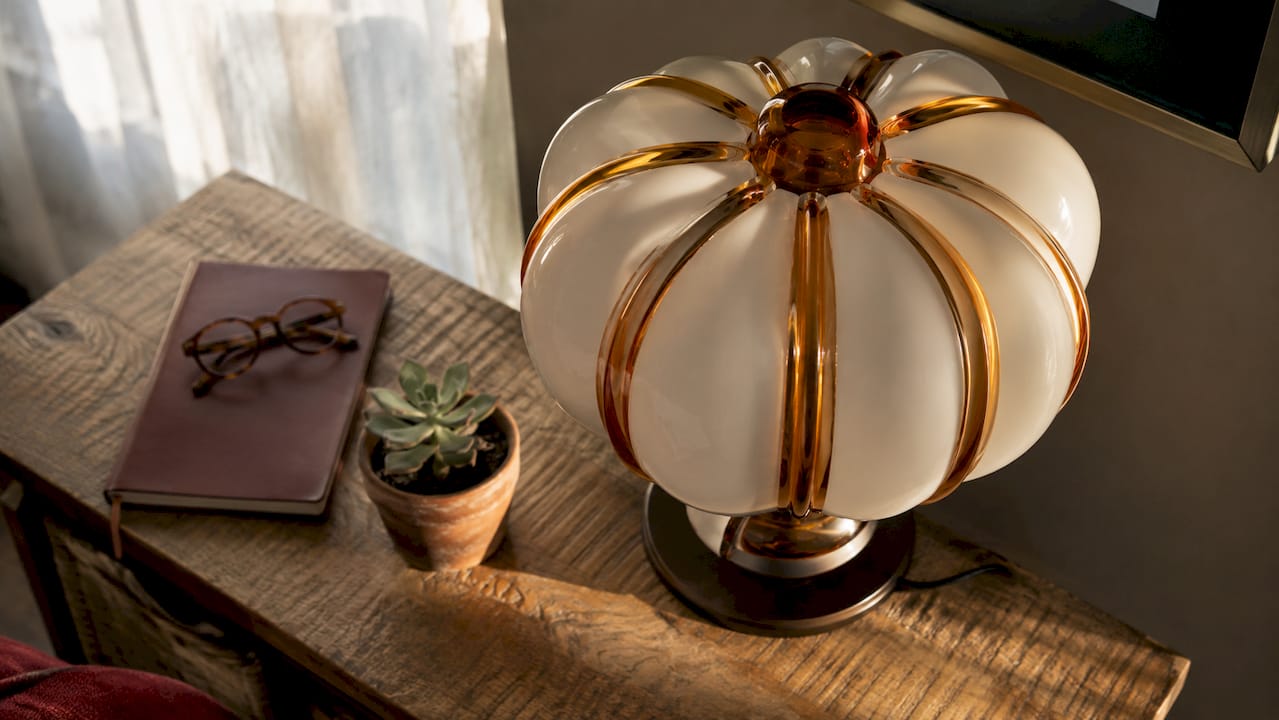
Texture adds another layer of complexity. A lamp with a rough, hand-thrown ceramic base catches light differently than a polished brass one. That variation in surface quality creates micro-shadows across the object itself, making it visually richer as you move around it. Organic forms and textured materials are increasingly favored over smooth, rectilinear designs precisely because they reward closer attention.
Key design elements that give sculptural lamps their visual authority:
- Silhouette complexity: A form that reads as interesting from multiple viewing angles, not just the front
- Material weight: Dense or translucent materials like stone, resin, or mouth-blown glass that carry inherent visual gravity
- Surface texture: Handmade finishes, visible tool marks, or grain patterns that create depth
- Scale contrast: A fixture sized to feel intentional within its space, neither too small to notice nor too large to live with
- Finish quality: Matte, patinated, or layered finishes that age well and resist looking dated
Pro Tip: Walk around a sculptural lamp before you buy it. Evaluate the form from the side and back, not just the front. A lamp that only looks good head-on will lose its impact once it is placed in a real room.
How do sculptural lamps influence room atmosphere and mood?
Sculptural lamps do more than light a surface. They edit a room’s emotional temperature through a combination of color temperature, light diffusion, shadow edge, placement, and form. That is a lot of atmospheric control packed into a single object.
The shadow behavior of a sculptural lamp is one of its most underrated qualities. When light passes through or around an irregular form, it projects a second pattern onto the walls and ceiling around it. This “second design” shifts as the ambient light in the room changes throughout the day. A lamp that casts sharp, geometric shadows in the morning will produce softer, more diffused patterns by evening. That dynamic quality keeps the room feeling alive rather than static.
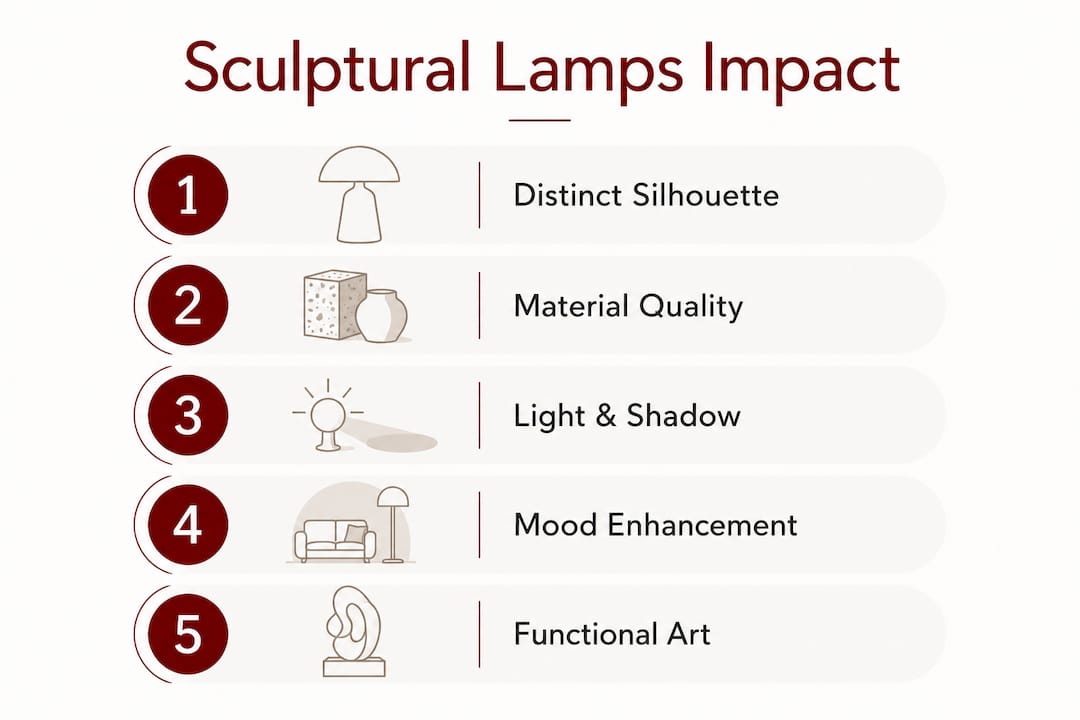
Color temperature matters just as much as form. A warm-toned bulb paired with a translucent resin shade produces a completely different mood than a cool white source inside a perforated metal shell. The interplay of light and shadow is integral to a sculptural lamp’s commanding presence, and color temperature is the dial that controls how dramatic or gentle that interplay feels.
Scale also shapes emotional response in ways that are easy to underestimate. A large floor lamp in a low-ceilinged room creates intimacy by drawing the eye down. A tall, slender pendant in a double-height space creates drama by emphasizing vertical volume. Getting scale right is the difference between a lamp that anchors a room and one that simply occupies it.
A practical framework for layering light around a sculptural fixture:
- Start with ambient light. Sculptural lamps are focal points, not primary light sources. Recessed lighting or a secondary ceiling fixture handles general illumination.
- Add the sculptural piece as your visual anchor. Position it where the eye naturally travels first, such as beside a sofa or above a dining table.
- Layer task lighting separately. A reading lamp or under-cabinet strip keeps functional zones bright without competing with the sculptural fixture.
- Adjust color temperature for cohesion. Match the warmth of your sculptural lamp’s bulb to the ambient sources so the room reads as unified.
- Observe the shadow pattern at night. The shadows your lamp casts are part of the room’s design. Adjust the lamp’s position until the shadow pattern feels intentional.
Sculptural lamps control atmospheric temperature and create a ‘second design’ of shadows that strongly influence mood and attention. Through shape and texture, they modulate light and shade in ways that standard fixtures simply cannot replicate.
Why are sculptural lamps considered functional art and investment pieces?
The idea of a lamp as a collectible object is not new. Louis Comfort Tiffany established the principle in the late 19th century, producing leaded glass lamps that now sell at auction for hundreds of thousands of dollars. Contemporary designers working in limited editions at fairs like Maison&Objet and Design Miami follow the same logic: a lamp with genuine craft, provenance, and material quality holds its value in ways that mass-produced fixtures do not.
Sculptural lighting pieces are treated as collectible art and long-term investments due to craftsmanship and material quality. That shift in perception changes how you should think about the purchase. A well-chosen sculptural lamp does not need to be replaced when trends shift because its form is strong enough to outlast them.
Sustainability is a real factor here. Buying one well-made sculptural lamp that lasts 20 years is a better outcome than cycling through three or four trend-driven fixtures in the same period. Timeless design and durable materials reduce the frequency of redecorating, which saves money and reduces waste over time.
| Value factor | Why it matters |
|---|---|
| Craftsmanship | Hand-finished pieces age better and hold visual interest longer than machine-made alternatives |
| Material quality | Stone, brass, and hand-blown glass develop character over time rather than degrading |
| Provenance | Limited editions or designer-attributed pieces carry documented value |
| Timeless form | Strong silhouettes resist trend cycles, reducing the need for replacement |
| Dual-state presence | A lamp valued both lit and unlit justifies a higher price point than a purely functional fixture |
Pro Tip: When evaluating a sculptural lamp as an investment, assess it in its unlit state first. If the form holds your attention without any light, the piece has genuine design merit. If it only looks interesting when switched on, it is a light fixture, not a sculpture.
How to place sculptural lamps for maximum visual impact
Placement determines whether a sculptural lamp becomes a focal point or just another object in the room. High-visibility areas like dining rooms and entryways are the most effective locations because they position the lamp where the eye travels first. An entryway lamp sets the tone for the entire home. A dining room pendant defines the social center of the space.
Evaluating a sculptural lamp requires assessing its form from all angles in the installed setting, not just the front. Before finalizing placement, walk the room and confirm the lamp reads well from every entry point and seating position. A lamp that only looks good from one chair has limited design value.
Practical placement principles for sculptural fixtures:
- Anchor single pieces in high-traffic sightlines. The first wall you see when entering a room is the strongest position for a sculptural floor or table lamp.
- Use multi-pendant arrangements for choreography. Three pendants at staggered heights above a kitchen island create a sculptural composition rather than a single object.
- Match scale to the room, not the furniture. A lamp should relate to the ceiling height and floor area, not just the table it sits beside.
- Avoid placing sculptural lamps in corners. Corners reduce visibility to a single angle and cut the lamp’s visual impact significantly.
- Support with layered ambient lighting. A sculptural lamp placed in a dark room loses its context. Surrounding light makes the form legible and the shadows intentional.
Sculptural lighting should never substitute ambient illumination. It serves best as a focal point supported by layers of task and ambient light. Relying on a single sculptural piece to light a room creates dark corners that undermine the very atmosphere the lamp is meant to create. You can find detailed guidance on selecting the right fixtures for each room in our buying guide.
What I have learned from years of watching sculptural lamps transform spaces
The most common mistake I see homeowners make is buying a sculptural lamp for its lit state alone. They see a photograph of a glowing amber pendant over a dining table and fall in love with the mood. Then the lamp arrives, and in daylight, it looks like an afterthought. The form was never designed to hold attention on its own.
The pieces that genuinely change a room are the ones you notice before you turn them on. I have walked into living rooms where a single sculptural floor lamp in the corner reads like a piece of furniture. The room feels considered before a single bulb is switched on. That is the standard worth holding.
The 2026 design direction reinforces this. The shift toward sculptural lighting as furniture-like anchor pieces reflects a broader cultural reorientation away from disposable decor and toward objects with genuine presence. Homeowners are spending more on fewer pieces and expecting those pieces to carry more visual weight. That is a healthy instinct.
My caution is this: do not let the trend push you toward complexity for its own sake. A lamp with an aggressively unusual form can feel exhausting to live with over time. The best sculptural pieces have a quiet confidence. They hold the room without demanding constant attention. Evaluate how you feel about a lamp after looking at it for ten minutes, not ten seconds.
— Norm Blain
Sculptural lighting worth living with, from LightsThings
LightsThings carries a curated selection of decorative and sculptural lighting that spans accessible statement pieces to premium fixtures priced for serious collectors. Every piece in the catalog is chosen for its ability to hold visual interest both lit and unlit, which is the standard that separates genuine sculptural lighting from ordinary decorative fixtures.

Whether you are looking for a floor lamp that anchors a living room or a pendant that defines a dining space, LightsThings offers styles in resin, brass, glass, and natural stone to match a wide range of interior directions. The catalog also includes sculptural decor accents that complement your lighting choices and help the room feel cohesive. Free shipping thresholds, easy returns, and financing options make it straightforward to invest in a piece that will genuinely last.
FAQ
What makes a lamp “sculptural” rather than decorative?
A sculptural lamp is defined by its ability to hold visual interest as a three-dimensional object when unlit, not just when illuminated. The form, material, and silhouette carry the same design weight as the light it produces.
Why is sculptural lighting so popular right now?
The global design community, represented by events like Light + Building with 1,927 exhibitors from 49 countries, has shifted toward treating lighting as furniture-like anchor pieces rather than functional afterthoughts. That shift reflects a broader move toward fewer, better objects in the home.
How do sculptural lamps affect the mood of a room?
Sculptural lamps modulate mood through light diffusion, shadow projection, color temperature, and form. The shadows they cast on surrounding walls create a secondary visual pattern that changes throughout the day, keeping the room atmosphere dynamic.
Can a sculptural lamp serve as the only light source in a room?
No. Sculptural lamps function best as focal points supported by ambient and task lighting. Relying on a single sculptural fixture creates dark corners and undermines the balanced atmosphere the lamp is meant to anchor.
Are sculptural lamps worth the higher price point?
Yes, when the piece has genuine craftsmanship, quality materials, and a timeless form. Well-made sculptural lamps in brass, stone, or hand-blown glass hold their visual value over decades and reduce the need for frequent redecorating.
Key takeaways
Sculptural lamps command attention because they function as dual-state art objects, contributing visual presence and spatial identity whether switched on or off.
| Point | Details |
|---|---|
| Dual-state presence | A sculptural lamp must hold visual interest when unlit. Evaluate the form before the light. |
| Material drives presence | Brass, stone, resin, and hand-blown glass carry visual weight that neutral materials cannot replicate. |
| Shadows are part of the design | The patterns a sculptural lamp casts on walls and ceilings are a second layer of visual impact to plan for. |
| Placement determines impact | Position sculptural fixtures in high-visibility sightlines and support them with ambient and task lighting. |
| Investment logic applies | Timeless form and quality materials reduce replacement frequency and hold design value over time. |