The fastest way to add warmth with table lamps is to combine warm-color bulbs, light-diffusing shades, and intentional placement at seated eye level so you build multiple small pools of inviting light rather than relying on a single overhead source. Designers consistently favor this approach over ceiling fixtures for relaxation spaces because human-scale light simply feels more intimate.
Your quick-start checklist for tonight:
- Swap any cool or daylight bulbs for 2700K–3000K warm-white LEDs
- Replace opaque or dark-lined shades with fabric or frosted glass that diffuses light
- Add a dimmer or use a smart bulb with a warm-dimming schedule
- Position lamps so the shade bottom sits near seated eye level
- Use at least two lamps per room to layer pools of light
- Place one lamp in a dark corner or beside a mirror to spread glow
Table of Contents
- What do bulb specs actually mean for warm light?
- How do shade material and color change the warmth you feel?
- Does lamp height and position really affect how warm a room feels?
- How do table lamps fit into a layered lighting plan?
- What are the easiest budget fixes to add warmth tonight?
- Room-by-room examples that show the difference
- Dos and don’ts for warm, comfortable table lighting
- How LightsThings approaches warm table lighting
- Key Takeaways
- Warm table lamps, ready to shop at LightsThings
What do bulb specs actually mean for warm light?
Color temperature, measured in Kelvin, is the single most important spec when choosing bulbs for cozy lighting. The lower the Kelvin number, the warmer and more amber the light. For residential warmth, the practical sweet spot is in the low 2000s to around 3000K: the lower end reads as a soft candlelight-adjacent glow, while the upper end is slightly crisper but still unmistakably warm. Higher color temperatures start to feel clinical.
CRI, or color rendering index, measures how accurately a bulb renders colors compared to natural daylight. A high CRI means warm tones in your fabrics, wood finishes, and skin look rich and natural rather than washed out. Lower-CRI bulbs can make even warm light feel flat. For table lamps in living rooms and bedrooms, aiming for high CRI is beneficial.
Lumens tell you how much light a bulb actually produces. A bedside lamp used mainly for reading should provide a comfortable amount of light suitable for focus, while a console or entry table lamp meant for ambiance can emit lower light levels. A reading-chair task lamp requires brighter light for sustained focus. Dimming compatibility matters here: lower intensity makes warm tones feel richer, so a dimmable 800-lumen bulb at 50% often beats a fixed 400-lumen bulb for perceived warmth. Always pair dimmable bulbs with a compatible dimmer switch or a smart bulb that handles dimming internally.
| Lamp role | Color temp | CRI target | Lumen guidance |
|---|---|---|---|
| Bedside / sleep support | Warm color temperature | High CRI | Suitable brightness for reading |
| Reading chair / task | Warm to moderate warm color | High CRI | Brighter light for tasks |
| Console / entry accent | Warm color temperature | Moderate CRI | Lower brightness for ambiance |
| Living room ambient | Warm to moderate warm | High CRI | Moderate brightness for ambient light |
Smart bulbs such as Philips Hue or LIFX give you tunable warmth, letting you shift from 2700K in the evening to a slightly cooler tone during the day, all without changing the physical bulb. For smart bulb compatibility with specific lamp bases and shade types, it’s worth checking that the bulb fits the harp and socket before you buy.
How do shade material and color change the warmth you feel?
The shade is not just a style choice. It is the filter between your bulb and the room, and it determines whether a warm bulb actually reads as warm or gets swallowed by density and dark color.
Fabric shades are the most forgiving for warmth. Linen and other light-weave textiles transmit a soft, diffused glow that wraps the room in warmth rather than directing a hard beam. The visible texture of the weave adds visual interest even when the lamp is off. Heavier fabrics like velvet or thick cotton absorb more light, which can create a moodier, more intimate pool but reduces the usable light on surfaces below.
Frosted glass shades diffuse light evenly and work well in spaces where you want a clean, contemporary look without sacrificing warmth. Clear glass shades expose the bulb directly, which can cause glare at eye level and undermine the cozy effect you’re after. Opaque metal or ceramic shades direct all light downward, making them better for task lighting than ambient warmth.
Shade lining color is often overlooked. An off-white or warm-ivory lining bounces warm light back into the room, amplifying the bulb’s color temperature. A dark or black lining absorbs that reflected light, creating a dramatic, moody pool but cutting overall brightness significantly. Evaluating shade density and lining together with your chosen bulb is the step most people skip, and it’s the one that causes the most disappointment.
- Linen / light fabric: warm, diffused glow; good for ambient and bedside
- Frosted glass: even diffusion, contemporary warmth, minimal glare
- Clear glass: exposes bulb; best for Edison-style decorative use only
- Opaque / metal: directional downlight; better for task than ambiance
- Dark-lined fabric: moody and intimate; expect noticeably less usable light
Pro Tip: Before you commit to a shade, test the bulb-and-shade combination on the actual table at night. What looks neutral in a bright store can read as dark amber or cold white once it’s the primary light source in a dim room.
Does lamp height and position really affect how warm a room feels?
Absolutely. Placement determines whether your lamp light lands at a human scale or gets lost above or below where people actually sit and interact. The general rule: the bottom of the shade should sit at or slightly below seated eye level, which for most adults means roughly 38–42 inches from the floor when seated on a standard sofa or chair.
Getting the scale right relative to the table matters just as much. A lamp that’s too tall for a low side table looks precarious and throws light too high. A lamp that’s too short for a tall console disappears visually and casts light onto the table surface rather than into the room. As a starting proportion, the lamp (base plus shade) should be roughly 1.5 times the height of the table it sits on, and the shade diameter should not exceed the table’s width.
Proper lamp height also keeps the bulb hidden inside the shade when you’re seated, which eliminates glare and keeps the light source soft. A bulb visible at eye level is one of the most common causes of a room feeling harsh rather than cozy, even when the bulb itself is warm.
Placement by context:
- Bedside: Shade bottom at shoulder height when sitting up in bed, typically 24–27 inches from the tabletop to shade bottom. This puts reading light where you need it without shining into your eyes.
- Sofa side table: Shade bottom at 58–62 inches from the floor, matching seated eye level for someone on the sofa.
- Console / entry table: Height is more flexible since no one sits here; aim for visual balance with the mirror or art above, typically 28–34 inches total lamp height.
- Reading nook: Position the lamp slightly behind and to the side of your shoulder so light falls on the page, not into your eyes.
One practical note on reflections: avoid placing a lamp directly in line with a TV screen or a large window. The bright shade or exposed bulb will create a distracting reflection. Moving the lamp 18–24 inches to the side usually solves it.
Pro Tip: If your side table is shorter than standard, choose a taller lamp base to compensate. If the table is unusually tall, go with a shorter, wider-shade lamp to keep the light at the right level without the fixture towering over the seating.
How do table lamps fit into a layered lighting plan?
Table lamps sit in the ambient and task layers of a well-designed lighting hierarchy. They are not substitutes for overhead fixtures in every situation, but in relaxation spaces, they often do more for perceived warmth than any ceiling light can. Multiple small pools of warm light read as more intimate and inviting than a single bright overhead source, because they create depth, shadow, and visual texture across the room.
A practical layered approach for a living room: two side-table lamps at seated eye level, one floor lamp in a corner for ambient fill, and a dimmed overhead (or no overhead at all in the evening). Each source contributes a pool of light at a different height, and the overlapping zones create the layered, cozy effect that flat overhead lighting cannot replicate. For matching floor and table lamps in the same room, keeping both at 2700K ensures the tones blend rather than clash.
Color temperature consistency across all visible layers is critical. Mixing a 2700K table lamp with a 4000K overhead creates a jarring contrast that reads as cooler overall, even if the table lamp itself is warm. Aim to keep every visible light source in the room within the 2700K–3000K range for a coherent, warm scene.
Pro Tip: Use dimmers on at least two of your light layers so you can shift the room’s mood without changing bulbs. A living room at full brightness for daytime tasks and at 40% across all layers for evening feels like a completely different, much warmer space.
What are the easiest budget fixes to add warmth tonight?
You don’t need new lamps to make a meaningful difference. Most of the warmth gap in a room comes down to bulb choice, shade density, and positioning, all of which you can address for under $30.
- Bulb swap ($5–$15): Replace any bulb above 3000K with a 2700K warm-white LED. This single change is the fastest low-cost fix for a room that feels cold or flat.
- Dimmer switch ($15–$30): A standard in-wall dimmer or a plug-in lamp dimmer lets you drop intensity in the evening, which makes warm tones feel richer immediately.
- Shade swap ($20–$60): Trade a dark or opaque shade for a light linen or frosted-glass option. The difference in room warmth is often dramatic.
- Shade lining ($5–$15): Cut a piece of warm-ivory fabric or use adhesive lining paper inside an existing shade to shift the reflected light warmer.
- Repositioning (free): Move a lamp from a central table to a dark corner. Corners amplify light because two walls reflect it back into the room.
- Mirror placement (free or thrift cost): Placing a lamp beside a mirror doubles the perceived glow and makes a small room feel larger and cozier simultaneously.
- Thrift finds ($10–$40): Lamp bases from thrift stores can be rewired or used as-is with a new shade. A $12 ceramic base with a $25 linen shade outperforms many mid-range retail lamps for warmth.
- Cluster small lamps: Group two or three smaller lamps on a console or shelf. The combined pools of warm light read as richer than a single large lamp.
Room-by-room examples that show the difference
Living room
Before: A single recessed overhead on full brightness, no table lamps. The room feels flat, bright, and slightly cold, especially in the evening.
After: Two side-table lamps at 2700K, 600 lumens each, with off-white linen shades placed at sofa arm height. A floor lamp in the far corner at 2700K adds ambient fill. The overhead is dimmed to 20% or switched off entirely. The room now has three distinct pools of warm light at different heights, creating depth and a noticeably cozier atmosphere. For more styling ideas, the best table lamps for living rooms guide covers specific styles and placement approaches.
Bedroom
Before: A single ceiling fixture with a 4000K bulb. Bright, functional, but not restful.
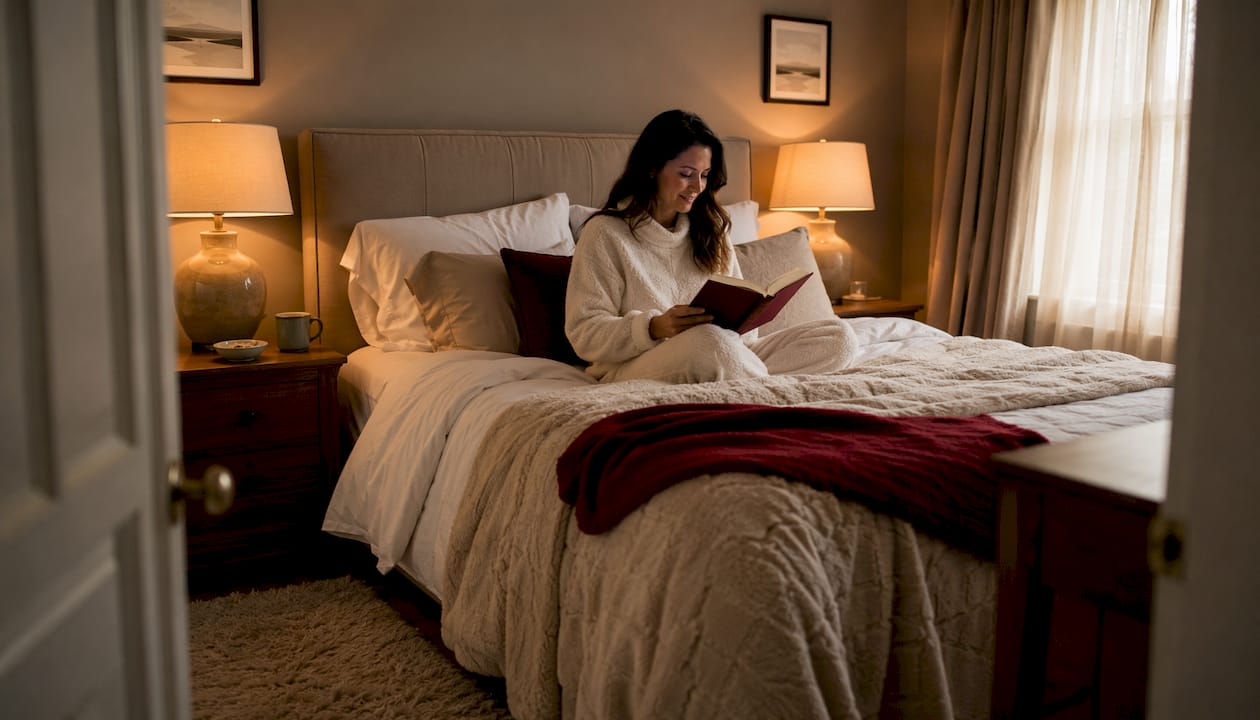
After: Two bedside lamps at 2700K, 500 lumens, with dimmers set to 30% for winding down. Shade bottoms sit at shoulder height when sitting up. The ceiling light stays off after 8 PM. The lower, warmer light supports the body’s natural transition toward sleep and makes the room feel genuinely restful. For bedroom-specific sizing and placement, choosing a bedroom table lamp covers the details.
Entry / console table
Before: No lamp; the entry relies on a ceiling fixture that casts flat, even light with no focal point.
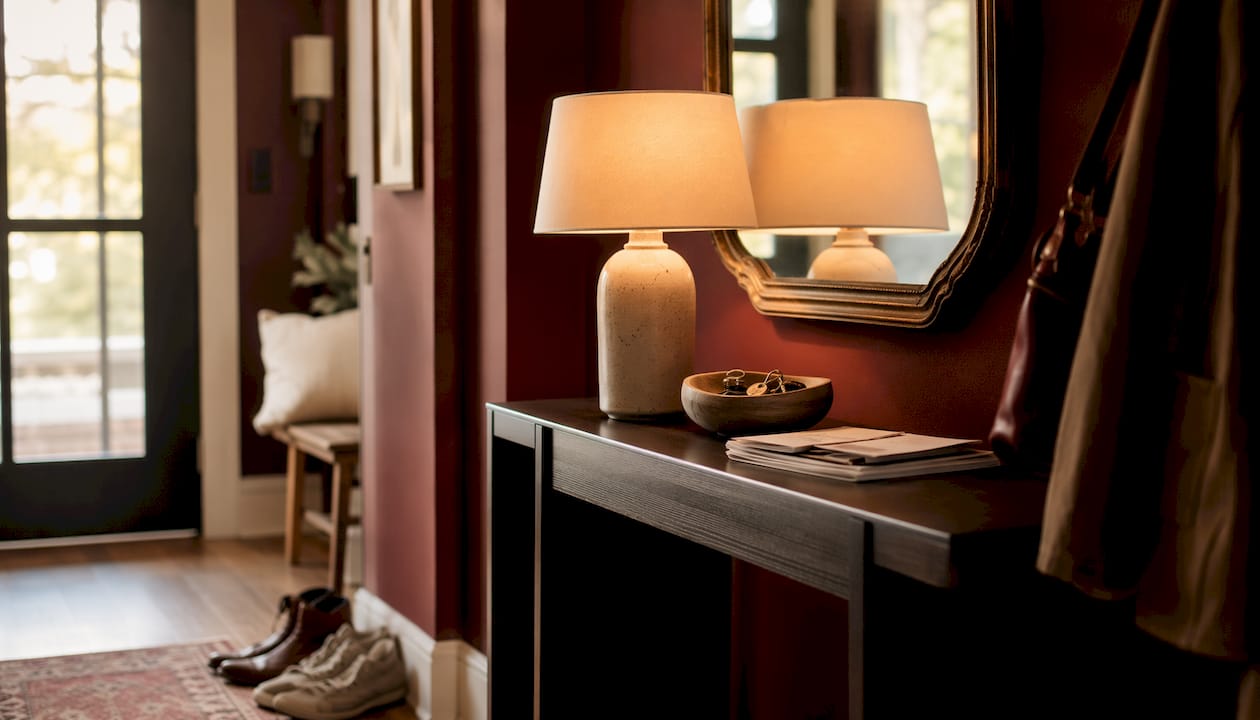
After: A single decorative table lamp at 2700K, 300 lumens, with a warm-toned ceramic or sculptural base. A mirror above the console reflects the lamp’s glow and doubles its visual reach. The entry now reads as warm and intentional the moment you walk in.
Reading nook
Before: One overhead lamp, adequate for reading but harsh and uninviting.
After: A directional warm task lamp (2700K, 900 lumens, adjustable arm) positioned behind and to the side of the chair, plus a secondary ambient table lamp at 2700K, 400 lumens, on a nearby surface. The task lamp handles the page; the ambient lamp softens the contrast between the bright reading zone and the darker room, reducing eye strain while keeping the overall mood warm.
Dos and don’ts for warm, comfortable table lighting
Getting the bulb right is only half the equation. These are the mistakes that undermine warmth even when the individual components are good choices.
Do:
- Use 2700K–3000K bulbs with CRI 90+ for the most natural, flattering warm light
- Test bulb and shade together at night before finalizing your setup
- Layer at least two light sources per room at different heights
- Use dimmers to shift intensity for different activities and times of day
- Keep all visible light sources within the same color temperature range
Don’t:
- Pair a warm bulb with a dense, dark-lined shade and expect usable warmth; the shade absorbs too much light
- Place exposed bulbs at seated eye level; glare kills the cozy effect immediately
- Mix color temperatures across visible layers (e.g., 2700K table lamp + 4000K overhead)
- Rely on a single overhead source for evening ambiance
- Ignore TV and window reflections; a bright shade in the wrong position creates distracting glare
| Common mistake | Immediate fix |
|---|---|
| Cool or daylight bulb (4000K+) | Swap to a 2700K warm-white LED |
| Dark shade absorbing light | Replace with light linen or frosted glass shade |
| Bulb visible at eye level | Raise shade or choose a taller base so bulb sits inside shade |
| Single overhead, no table lamps | Add two side-table lamps at seated eye level |
| Mismatched color temps across layers | Standardize all visible sources to 2700K–3000K |
| Lamp in center of room, no corner fill | Move one lamp to a dark corner or beside a mirror |
How LightsThings approaches warm table lighting
At LightsThings, the selection criteria for warm table lamps center on four things: a warm-glow bulb profile (2700K–3000K compatible), dimmer compatibility, shade material that diffuses rather than blocks light, and proportions that work at human scale. Every lamp in the collection is chosen to create the kind of layered, intimate warmth that makes a room feel curated rather than simply lit.
Here are five lamp styles and how they work in-room:
- Ceramic base with linen shade: The ceramic base grounds the lamp visually and adds tactile warmth even before it’s switched on. Pair with a 2700K, 600-lumen dimmable LED. Best for living room side tables and bedside use where you want both style and soft ambient light.
- Sculptural resin or stone-look base: A statement piece that anchors a console or entry table. Use a low-lumen 2700K bulb (250–350 lumens) with a frosted glass shade for a golden accent pool. The base’s visual weight means the lamp reads as intentional decor even when off.
- Slim metal base with drum shade: Versatile and proportion-friendly for smaller side tables. A white or ivory drum shade at 10–12 inches diameter diffuses light evenly. Pair with a 2700K smart bulb for tunable warmth and schedule control.
- Vintage-inspired Edison-style lamp: Works best with a clear or amber glass shade that lets the filament show. The exposed bulb is part of the aesthetic, so position it where it won’t reflect into a screen. Ideal for reading nooks and shelving vignettes at 300–400 lumens.
- Wide-base table lamp with empire shade: The empire shade’s angled sides direct light both downward onto surfaces and outward into the room, making it one of the most effective shapes for ambient warmth. Use a 2700K, 800-lumen dimmable bulb and set the dimmer to 60–70% for evening use.
For accent lighting strategies that complement these lamp styles, LightsThings’s editorial guides walk through how to layer table lamps with floor fixtures and overhead sources for a fully cohesive warm room.
Key Takeaways
The most effective way to add warmth with table lamps is to treat bulb, shade, and placement as a single coordinated system rather than three separate decisions.
| Point | Details |
|---|---|
| Bulb temperature first | Use 2700K–3000K bulbs with CRI 90+ for warm, natural-looking light in every lamp. |
| Shade as a system | Test bulb and shade together at night; a dark or dense shade absorbs warmth even from a warm bulb. |
| Placement at eye level | Position shade bottoms at or slightly below seated eye level to eliminate glare and keep light human-scale. |
| Layer multiple sources | Two or more small warm pools per room create more perceived warmth than any single overhead fixture. |
| LightsThings selection | LightsThings curates dimmable, warm-profile table lamps chosen for shade diffusion, scale, and cozy in-room performance. |
A stylist’s note on getting it right
The spec that most people overlook is the shade lining. You can have a perfect 2700K bulb at the right lumen level and still end up with a room that feels cold if the shade lining is stark white or the fabric is too dense. A warm ivory or soft cream lining bounces the bulb’s warmth back into the room instead of neutralizing it. When I’m working through a room setup, I always check the lining color in the same light conditions the lamp will actually live in, meaning at night, with the room’s other sources on. That’s the only honest test. If the lining reads as cool or gray under those conditions, the shade is working against the bulb, not with it. Swap the shade before you blame the bulb.
Warm table lamps, ready to shop at LightsThings
If you’d rather skip the trial-and-error and go straight to lamps chosen for warmth, diffusion, and real-room scale, LightsThings has you covered.

The LightsThings catalog pairs decorative table lamps with complementary home accents so you can build a warm, cohesive room without sourcing pieces from a dozen different places. Every lamp is selected for dimmable compatibility and warm-glow performance, and the collection spans accessible accent pieces to premium statement lamps that anchor a room with both light and visual weight. Free shipping, easy returns, and price matching mean you can order with confidence and test the lamp in your actual space before committing. Browse the full collection at LightsThings and filter by shade material, base style, and price to find the right fit for your room tonight.
Useful sources and further reading
- How to decorate with table lamps — StoneGable: Designer guidance on layered lamp placement, color temperature, and creating intimate pools of light.
- How to Choose a Table Lamp That Adds Warmth Without Reducing Visibility — URBANICA: Practical advice on shade density, lining color, and the bulb-plus-shade system approach.
- Types of Interior Lighting Designs for Every Home — Monarch Carpenters: Overview of ambient, task, and accent lighting layers and where table lamps fit.
- Smart Bulbs for Table Lamps That Work Best — LightsThings: Guide to smart-bulb compatibility, tunable warmth, and dimming schedules for table lamps.
- Best Matching Floor and Table Lamps — LightsThings: How to pair floor and table lamps for balanced warmth and a cohesive room feel.